Last week, I began my top 100 non-fiction books countdown. Here are books 90-81…
90. Paranoia: A Journey Into Extreme Mistrust and Anxiety by Daniel Freeman
Goodreads.com star rating = 3.81/5

Freeman tries to reduce the stigma around paranoia. He shows that it exists on a spectrum. At the extreme end, paranoia is a sign of schizophrenia or paranoid personality disorder. But people without a mental health disorder experience paranoia too. From everyday suspicion to clinical paranoia, mistrust is often rooted in real experiences like trauma or discrimination.
What makes it special: It connects paranoia to modern pressures like social media and surveillance. It offers both empathy and practical cognitive strategies.
Perfect for: Mental health professionals, anyone experiencing paranoid thoughts, and readers interested in how fear and mistrust shape society.
Key takeaway: Paranoia is not a mysterious or rare condition. It is a common human experience that exists on a continuum. It can be scientifically understood. Most importantly, it can be effectively addressed through proper recognition and empirically supported treatment approaches.
89. The Power of Regret: How Looking Backward Moves Us Forward by Daniel H. Pink
Goodreads.com star rating = 3.83/5

Pink flips the script on regret. He argues that regret is not weakness, but wisdom in disguise. Based on the World Regret Survey findings, Pink identifies four core types of regret. These are 1. foundation regrets, 2. boldness regrets, 3. moral regrets and connection regrets. He shows how engaging with them constructively leads to better decisions.
What makes it special: It is a refreshing counter to toxic positivity. It treats regret as essential to growth. It comes with practical tools for self-compassion and onward movement.
Perfect for: Anyone reflecting on life choices, therapists and coaches, and fans of evidence-based emotional intelligence.
Key takeaway: Rather than avoiding or suppressing regret, we should embrace it as valuable emotional data. It reveals our deepest values. This data can guide us toward better decisions and a more fulfilling life.
88. Bowling Alone: The Collapse and Revival of American Community by Robert D. Putnam
Goodreads.com star rating = 3.85/5
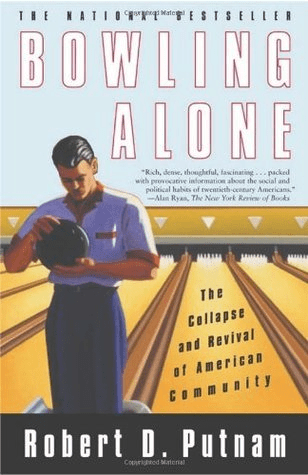
Putnam documents the collapse of social capital in the US from its peak in 1964. The decline continued until the book was published in 2000. He shows how we’ve become increasingly isolated in our real lives and less engaged in our communities despite technological connection. It was prescient about today’s loneliness epidemic and institutional distrust.
What makes it special: Rigorous social science that explains modern disconnection while offering hope through examples of community revival.
Perfect for: Community leaders, anyone interested in sociology and civic engagement, and those seeking to understand political polarisation.
Key takeaway: Putnam calls for rebuilding social capital through new forms of civic engagement suited to modern life. He shows that strong communities and democracy need active participation, not just individual achievement. Community connections aren’t just nice to have – they’re fundamental to both individual and societal well-being.
87. What I Talk About When I Talk About Running: A Memoir by Haruki Murakami
Goodreads.com star rating = 3.87/5
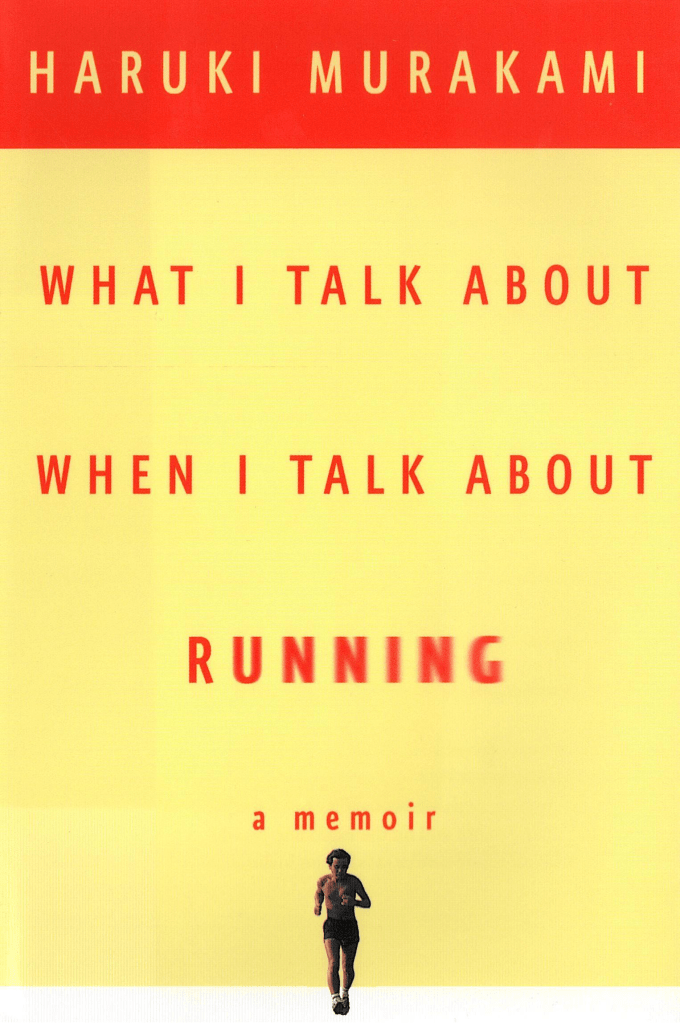
Murakami has written some amazing novels. His meditative memoir reflects on running as a metaphor for life, creativity, and getting older. It explores discipline, solitude, and the quiet satisfaction of showing up daily.
What makes it special: Beautiful simplicity that resists hustle culture in favour of sustainable, meaningful practice. It’s about the why, not the how.
Perfect for: Runners, writers, introverts, and anyone seeking insight into creative discipline and ageing gracefully.
Key takeaway: Success is measured in years and decades, not days or weeks. Both running and writing are about building something sustainable over time rather than achieving quick victories. Meaningful work, whether creative or physical, requires a long-term practice approach. It is not just a series of individual performances.
86. The Moral Landscape: How Science Can Determine Human Values by Sam Harris
Goodreads.com star rating = 3.90/5

Harris argues that science can and should inform morality, challenging the traditional divide between facts and values. He centres human well-being as an objective criterion for ethical judgment.
What makes it special: A secular, evidence-based approach to ethics that bridges neuroscience, philosophy, and practical morality.
Perfect for: Philosophy enthusiasts, scientists interested in ethics, and those seeking non-religious foundations for moral reasoning.
Key takeaway: Empirical evidence about what actually promotes human flourishing can help inform our morals. Ethics should be informed by evidence, rather than tradition or ideology. Moral progress requires treating ethics as a domain where objective knowledge is possible. It should not be just a matter of opinion or cultural preference.
85. Dopamine Nation: Finding Balance in the Age of Indulgence by Anna Lembke
Goodreads.com star rating = 3.90/5

Lembke explains how modern society’s excess of dopamine triggers—screens, sugar, social media—disrupts our brain’s balance, leading to addictive behaviours. She offers practical wisdom on finding balance in an age of endless temptation.
What makes it special: Combines cutting-edge neuroscience with compassionate clinical stories, providing actionable advice on “dopamine fasting” and mindful moderation.
Perfect for: Anyone struggling with digital overload, addiction, or compulsive behaviours, plus mental health professionals.
Key takeaway: In our pursuit of constant pleasure, we’ve created our own misery. True contentment comes from restoring balance through mindful consumption and occasional voluntary discomfort.
84. The Lucifer Effect: Understanding How Good People Turn Evil by Philip G. Zimbardo
Goodreads.com star rating = 3.91/5
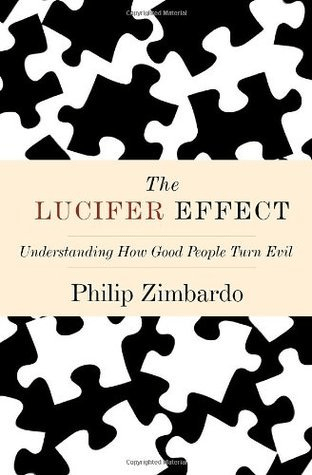
Zimbardo is well known in psychology circles for his infamous Stanford Prison Experiment. Some suggest that Zimbardo instructed the guards to commit the “evil” behaviours. This makes the studies on conformity and obedience to authority more interesting to me than his prison experiment. Nonetheless, he strongly believes that ordinary people can commit extraordinary evil under certain conditions. He shows that systems and situations often matter more than individual character.
What makes it special: Zimbardo’s research challenges simple explanations of evil. It raises crucial questions about power, authority, and moral responsibility.
Perfect for: Psychology students, anyone interested in ethics and human nature, and those seeking to understand abuse of power.
Key takeaway: We must understand the psychological mechanisms that enable evil to prevent it. The environment has a bigger impact on who does evil than we realise.
83. How to Have Impossible Conversations: A Very Practical Guide by Peter Boghossian and James Lindsay
Goodreads.com star rating = 3.91/5

This practical guide offers concrete techniques for navigating difficult conversations with curiosity rather than confrontation.
What makes it special: It goes beyond vague advice. It teaches specific skills like Socratic questioning and active listening. It respects all sides while promoting genuine dialogue.
Perfect for: Anyone frustrated by polarised debates or mediators, teachers, leaders, and those interested in critical thinking.
Key takeaway: Even the most “impossible” conversations can become productive. This happens when we shift from trying to win arguments to genuinely seeking understanding. We need to find common ground through specific, learnable techniques.
82. Altered Traits: Science Reveals How Meditation Changes Your Mind, Brain and Body by Daniel Goleman and Richard J. Davidson
Goodreads.com star rating = 3.91/5
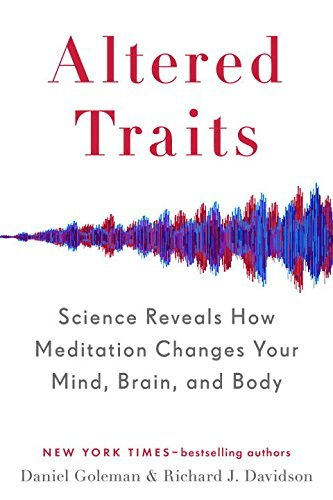
Leading Neuroscientist Davidson and emotional intelligence expert Goleman reveal the hard science behind meditation’s effects on the brain. They distinguish between temporary states and lasting “altered traits.”
What makes it special: Rigorous neuroscience that cuts through the hype surrounding meditation. It focuses on how sustained meditation practice can create fundamental changes. These changes are lasting and alter the structure of the brain.
Perfect for: Meditators, sceptics wanting evidence-based insights, mental health professionals, and anyone interested in intentional mental training.
Key takeaway: Meditation can genuinely alter the brain in beneficial ways. But there are only four key benefits of regular and long-term meditation with strong scientific support. These are: 1. altered pain perception and reduced suffering from pain, 2. enhanced attention, 3. reduced stress reactivity, and 4. increased compassion. We should avoid making inflated claims about the benefits of meditation. It is better to just give people realistic expectations based on solid science.
81. Ethics in the Real World: 86 Brief Essays on Things that Matter by Peter Singer
Goodreads.com star rating = 3.93/5

The influential philosopher tackles contemporary ethical dilemmas in 86 brief, clear essays. Using utilitarian principles, Singer challenges readers on animal rights, global poverty, climate change, and how to live ethically today.
What makes it special: Uncompromising moral philosophy is applied to practical decisions. This ranges from what to eat to how to donate. It includes a consistent logical framework.
Perfect for: Philosophy enthusiasts, social justice advocates, anyone interested in applied ethics and utilitarian thinking.
Key takeaway: Ethics isn’t abstract philosophy. It’s practical guidance for making the world better. This is done through reasoned, evidence-based moral decision-making focused on reducing suffering.
Stay tuned for part 3 next week…
Dr Damon Ashworth
Clinical Psychologist


 Damon Ashworth Psychology
Leave a reply to Top 100 Non-Fiction Books Countdown: Part Five (60-51) – Damon Ashworth Psychology Cancel reply