For the earlier titles in the countdown: 100 – 91, 90 – 81, 80 – 71, 70 – 61, 60 – 51
Here’s the next ten…
50. The One Thing: The Surprisingly Simple Truth Behind Extraordinary Results by Gary Keller and Jay Papasan
Goodreads.com star rating = 4.13/5
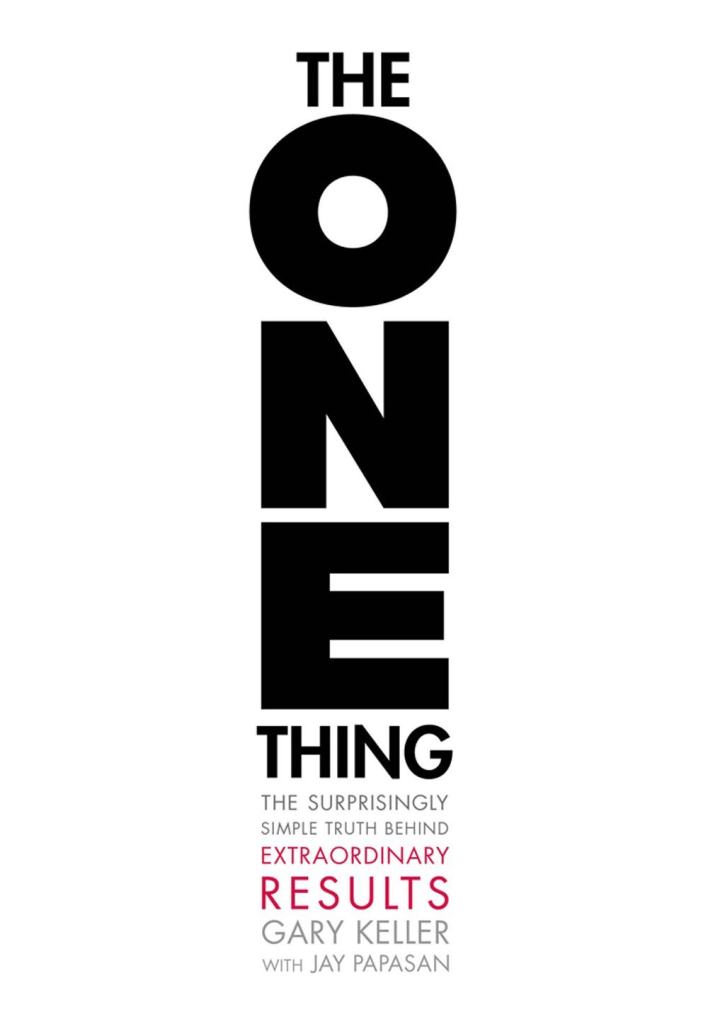
In a world of endless distractions, Keller argues that extraordinary results come from identifying your most important task. Focusing on this task above all else can lead to great achievements. Success is built sequentially, not simultaneously—like dominoes, small focused efforts compound into extraordinary outcomes.
What makes it special: This book challenges the modern myth of multitasking. It questions work-life balance. Instead, it advocates for intentional imbalance and extreme focus during crucial periods. The “focusing question” provides a daily compass for decision-making.
Perfect for: Entrepreneurs, professionals, creatives, or students who feel overwhelmed, distracted, or busy but unproductive. It is also ideal for anyone looking to achieve extraordinary success by simplifying their focus. Readers of Atomic Habits, Deep Work, or Essentialism will find this beneficial.
Key takeaway: Ask daily: “What’s the ONE Thing I can do right now, such that by doing it, everything else becomes easier or unnecessary?” Time-block your first 4-5 hours for this priority.
49. Transcend: The New Science of Self-Actualization by Scott Barry Kaufman
Goodreads.com star rating = 4.13/5

Kaufman updates Maslow’s hierarchy of needs with modern research, revealing that human needs aren’t linear but fluid. Self-actualization isn’t a destination but a continual unfolding of your authentic potential, balancing security needs with growth aspirations.
What makes it special: This book corrects decades of misunderstanding about Maslow’s work while integrating cutting-edge positive psychology research. It shows how trauma blocks growth but can be healed, and how transcendence serves something greater while including the self.
Perfect for: Psychologists, therapists, and coaches interested in positive psychology and human potential. It is also ideal for anyone seeking personal growth, healing, and purpose beyond material success. Fans of Maslow, Carl Rogers, The Road to Character, or Man’s Search for Meaning should like it.
Key takeaway: Self-actualization requires balancing security (safety, connection, self-esteem) with growth (exploration, love, purpose, creativity). Peak experiences can be cultivated through mindfulness, art, nature, and helping others.
48. The Hero With a Thousand Faces by Joseph Campbell
Goodreads.com star rating = 4.13/5

Campbell’s groundbreaking work reveals that myths from every culture share the same basic structure—the Hero’s Journey. This monomyth of Departure, Initiation, and Return is not just a story formula. It is a map of psychological and spiritual growth that we can all experience in our lives.
What makes it special: This book fundamentally influenced modern storytelling (Star Wars, Harry Potter, The Matrix). It also provides a profound framework for understanding personal transformation. It connects ancient wisdom to modern psychology through the lens of mythology.
Perfect for: Writers, creators, and filmmakers who want to understand story structure and mythology. Thinkers, seekers, and therapists interested in personal transformation. Anyone on a journey of healing, growth, or purpose who wants a map for the inner quest.
Key takeaway: We are all the hero of our own journey. Every challenge signifies a “threshold” to cross. Transformation requires facing our fears. We must let old versions of ourselves “die” to be reborn into a fuller life.
47. The Status Game: On Social Position and How We Use It by Will Storr
Goodreads.com star rating = 4.13/5
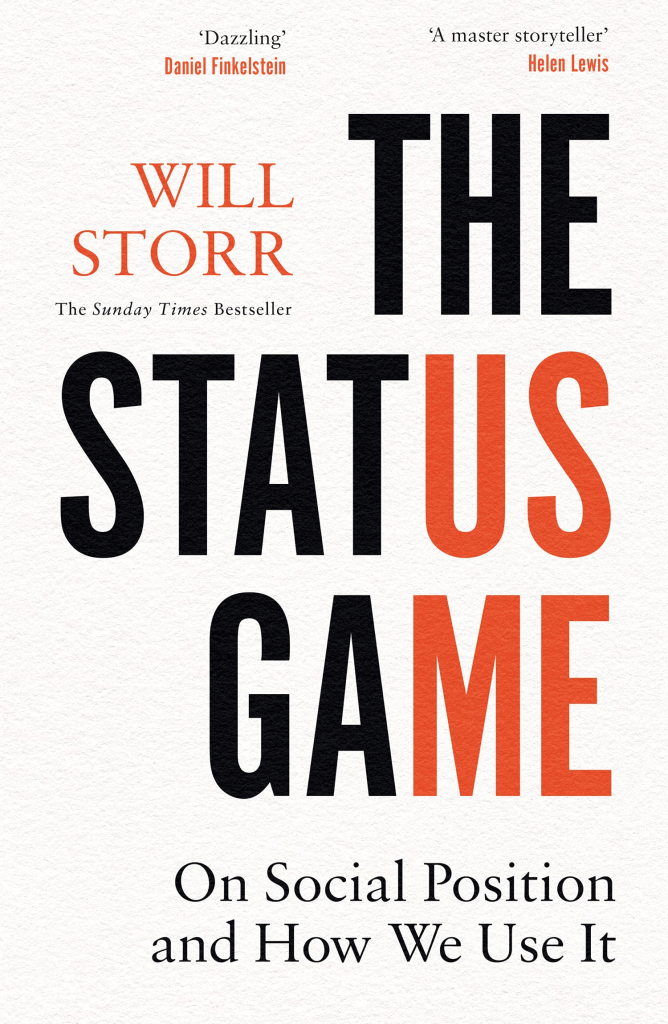
Storr claims that status—being respected and valued by others—is a fundamental human drive. It shapes everything from social media behaviour to political tribalism. We play three types of status games: dominance (power-based), prestige (skill-based), and virtue (morality-based).
What makes it special: This book explains seemingly irrational human behaviours through the lens of status competition. It offers insights into online outrage, cancel culture and political polarisation. It’s social psychology that makes sense of our current cultural moment.
Perfect for: Anyone interested in psychology, social behaviour, or culture wars. It is ideal for leaders, educators, and creators who want to understand group dynamics and motivation. You might also like it if you have enjoyed reading Sapiens, The Righteous Mind, or The Elephant in the Brain.
Key takeaway: You can’t opt out of status games, but you can choose wisely. Focus on prestige games that help others rise with you, rather than dominance or virtue games that keep others down.
46. No Bad Parts: Healing Trauma and Restoring Wholeness with the Internal Family Systems Model by Richard C. Schwartz and Alanis Morrisette
Goodreads.com star rating = 4.14/5
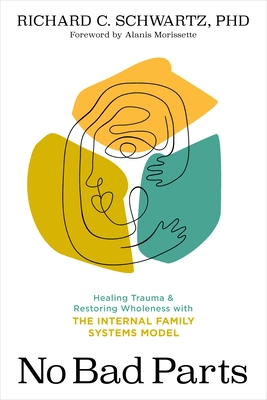
Schwartz shows that our minds contain different “parts” using the Internal Family Systems model. These parts include the Inner Critic, Worrier, and Protector. They often conflict but try to help us. Healing happens when our Compassionate Self befriends and leads these parts rather than fighting them.
What makes it special: This revolutionary therapeutic approach treats internal conflict with curiosity instead of judgment. It recognises that every part was formed with a positive intention initially. It makes complex psychology accessible and practical.
Perfect for: Trauma survivors, therapists, and anyone interested in self-compassion and inner healing. It is also suitable for people who struggle with internal conflict, self-criticism, or emotional overwhelm. Fans of mindfulness, psychotherapy, and integrative approaches to mental health will also find it appealing.
Key takeaway: No part of you is “bad”—each has a role and positive intent. Healing requires gentle dialogue with your parts, acknowledging their fears and allowing them to relax and cooperate.
45. Self Compassion: The Proven Power of Being Kind to Yourself by Kristin Neff
Goodreads.com star rating = 4.14/5

Neff’s research-backed approach to self-compassion involves three core elements. The first is self-kindness instead of self-criticism. The second is common humanity, recognizing that suffering is universal. The third is mindfulness, which is balanced awareness of painful experiences.
What makes it special: Unlike self-esteem, which depends on success and comparison, self-compassion is unconditional. It actually encourages growth rather than complacency. Neff debunks myths while providing practical tools backed by rigorous research.
Perfect for: Anyone struggling with self-criticism, perfectionism, anxiety, or depression. It is also suitable for people seeking greater emotional resilience and well-being. Therapists and coaches wanting practical tools to help clients cultivate kindness could benefit too.
Key takeaway: Self-compassion reduces anxiety and depression while fostering resilience and motivation. Treat yourself with the same kindness you’d show a good friend facing difficulties.
44. Tiny Habits: The Small Changes That Change Everything by BJ Fogg
Goodreads.com star rating = 4.14/5
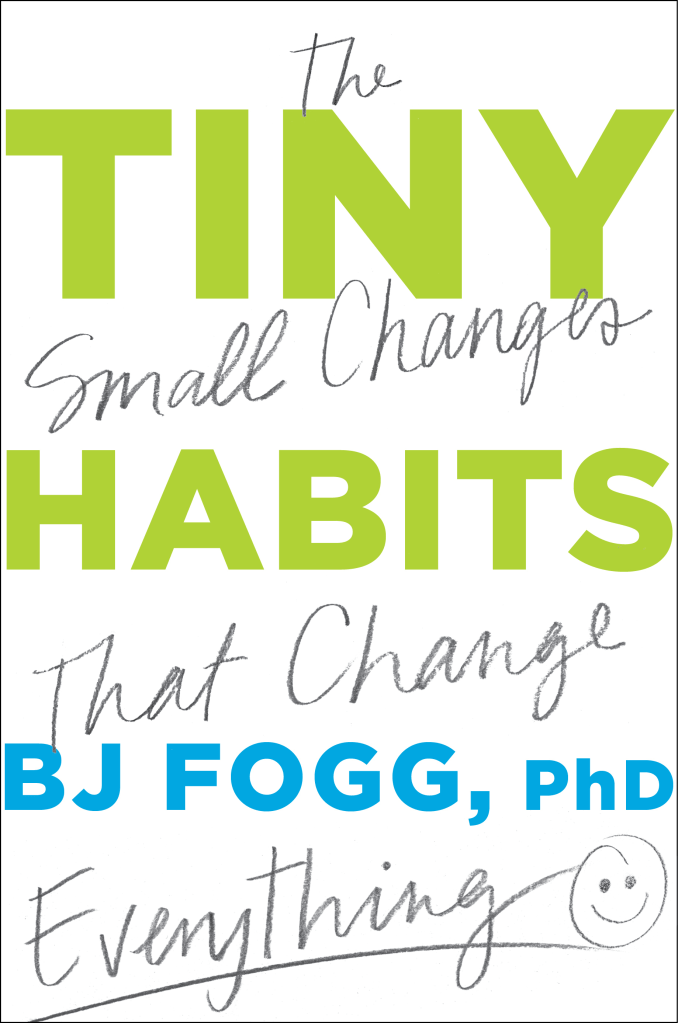
Fogg’s behaviour change method focuses on starting tiny. It recommends two push-ups, not a workout. You should anchor new habits to existing routines. Celebrate right after you have successfully done what you said you would do. This approach reduces resistance and allows habits to grow naturally over time.
What makes it special: This method is based on decades of Stanford research. It works because it aligns with how the brain actually forms habits. It’s sustainable because it doesn’t rely on willpower but on smart design and environmental cues.
Perfect for: This is ideal for anyone struggling to build new habits. It also suits those trying to sustain behaviour change. People overwhelmed by big goals will find it offers a simple, effective approach. It’s also perfect for coaches, therapists, and productivity seekers who are looking for practical habit strategies.
Key takeaway: Start so small you can’t fail, anchor to existing routines, and celebrate immediately. Focus on the behaviour, not the outcome—habits will grow naturally as confidence increases.
43. The Imp of the Mind: Exploring the Silent Epidemic of Obsessive Bad Thoughts by Lee Baer
Goodreads.com star rating = 4.15/5

Baer normalizes the universal experience of unwanted, disturbing thoughts—the mind’s mischievous “imp.” These intrusive thoughts don’t show our desires or intentions. They’re just mental events that become problematic when we try to suppress or fight them.
What makes it special: This book addresses a “silent epidemic” that most people suffer with in shame and isolation. Baer explains why thought suppression backfires and provides hope through evidence-based treatment approaches like Exposure and Response Prevention.
Perfect for: People suffering from OCD, intrusive thoughts, or anxiety. It is also ideal for therapists and clinicians treating obsessive-compulsive and related disorders. Finally, it suits anyone wanting to understand why unwanted thoughts happen and how to reduce their power.
Key takeaway: You are not your thoughts. Intrusive thoughts are normal mental events, not reflections of your character or desires. Acceptance and mindfulness reduce their emotional impact more effectively than suppression.
42. Triumphs of Experience: The Men of the Harvard Grant Study by George E. Vaillant
Goodreads.com star rating = 4.15/5

Vaillant draws from the Harvard Grant Study, which followed men for over 75 years. He reveals what actually predicts happiness and health. These predictors include close relationships and emotional intelligence. Healthy coping mechanisms, continued learning, and adaptability are also important.
What makes it special: This is one of the most comprehensive longitudinal studies ever conducted. It provides unprecedented insights into what makes life worth living. The findings often contradict popular assumptions about success and happiness.
Perfect for: This book is ideal for anyone interested in psychology, aging, relationships, and well-being. It suits therapists and researchers focused on long-term mental health. It also appeals to readers seeking evidence-based insights on what leads to a meaningful, happy life.
Key takeaway: Good relationships are the strongest predictor of happiness and health. Career success, wealth, and fame don’t strongly correlate with life satisfaction—purpose, meaning, and emotional maturity do.
41. The Obstacle is the Way: The Timeless Art of Turning Trials Into Triumph by Ryan Holiday
Goodreads.com star rating = 4.15/5

Drawing from ancient Stoic philosophy, Holiday shows how to transform obstacles into opportunities. This is achieved through three disciplines. The first one is Perception, which is about controlling your mindset. The second is Action, which involves taking persistent steps. The last one is Will, which means cultivating inner strength and accepting what you can’t control.
What makes it special: This book makes ancient Stoic wisdom applicable to modern challenges. It uses historical examples to show how great leaders turned adversity into advantage. It’s philosophy that works in practice.
Perfect for: This is ideal for anyone facing challenges or setbacks. It’s suitable for leaders, entrepreneurs, athletes, and creatives looking for mental toughness. It will also appeal to fans of Stoic philosophy or books like Meditations by Marcus Aurelius.
Key takeaway: Practice “amor fati” (love of fate)—embrace obstacles as opportunities to build character. Focus only on what you can control: your attitude, actions, and responses to circumstances.
These books reveal several powerful patterns for advanced personal development:
- Focus creates extraordinary results – Concentrating effort leads to success. The One Thing emphasises singular focus. Tiny Habits highlights the power of small changes.
- Integration beats suppression – From self-compassion to internal parts work, healing comes through acceptance and integration, not fighting or denial.
- Ancient wisdom applies to modern challenges – Stoic philosophy, mythological patterns, and humanistic psychology offer timeless frameworks for contemporary struggles.
- Understanding human nature enables better choices. Awareness of status games, intrusive thoughts, or relationship patterns improves decision-making. Understanding how we function (not just how we think we function) leads to wiser decisions.
Remember: personal transformation isn’t about perfection. It’s about understanding yourself and others more deeply. Then, applying that understanding with patience, compassion, and persistent action.
Stay tuned for the next ten books…
Dr Damon Ashworth
Clinical Psychologist

 Damon Ashworth Psychology
Leave a reply to Part Nine of the Top 100 Non-Fiction Books Countdown: A Curated Guide to Personal Growth (20-11) – Damon Ashworth Psychology Cancel reply