Ever since I first began working as a Clinical Psychologist, I regularly get asked a question. People often inquire whether there are any non-fiction or psychology books that I would recommend.
Sometimes a book recommendation can go really well. The client is ready to make a certain change but feels stuck in some way. The book connects with them. It helps them make the changes they want in their lives.
Other times, for many reasons, the book, its message, or its author, doesn’t connect well with the client. They won’t read it all, or it can be demotivating rather than inspiring or energising.
Back in 2016, I began creating a summary of my top 40 psychology book recommendations. I am amazed at how often I have referred people to this list. It can really help to build upon the ideas and skills we have discussed in therapy.
Nearly ten years later, I would love to share more recommendations of non-fiction books I have been reading. I haven’t agreed with everything written, but each one has affected me in some way.
Like last time, I will only include books that I have read personally. I won’t include more than one title in this countdown from the same author. But I include some books that I have written about it other posts. To avoid personal bias in the rankings, I will rank them from lowest to highest from their Goodreads.com star rating.
Here is part one of my countdown: books #100 to #91…
100. Nerve: Adventures in the Science of Fear by Eva Holland
Goodreads.com star rating = 3.54/5

Eva Holland combines memoir with cutting-edge neuroscience to explore fear from every angle. After her mother’s sudden death, Holland embarks on a journey. A near-fatal climbing accident then pushes her further to understand and conquer her fears. She faces her fear of heights through exposure exercises and trying experimental treatments, like Propranolol.
What makes it special: Holland doesn’t just research fear; she lives it. Her vulnerable storytelling makes complex neuroscience accessible while offering real hope through treatments like EMDR and exposure therapy.
Perfect for: Anyone struggling with anxiety, phobias, or trauma. Adventure enthusiasts and those processing grief may find that it resonates with them too.
Key takeaway: By combining scientific understanding of fear’s mechanisms with personal courage, we can transform our relationship with fear. Various therapeutic approaches can aid this transformation from paralysis to empowerment. Rather than being ruled by our fears, we can learn to work with them more skillfully.
99. The Devil You Knew: The myths around depression, and Why Your Best Days are Ahead of You by Prof. Ian Hickey
Goodreads.com star rating = 3.59/5
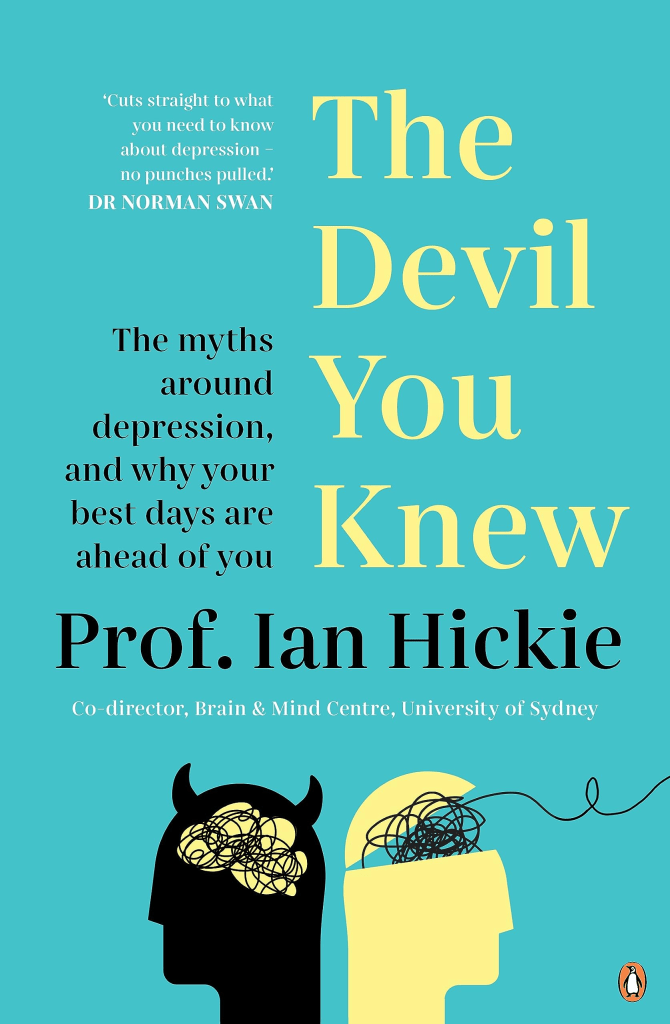
Professor Ian Hickie, with his 35 years of clinical experience, takes on the myths surrounding depression. He challenges misconceptions about antidepressants, childhood trauma, and treatment options. He also offers guidance through the mental health care system.
What makes it special: Hickie combines compassionate guidance with the latest scientific findings. The book offers hope without sugar-coating the reality of depression.
Perfect for: People living with depression and their loved ones. Mental health professionals could also gain from checking it out. Essentially, anyone seeking clear, myth-busting information about depression and mental health.
Key takeaway: Understand depression’s true nature. Recognise that recovery paths are highly individual. If you struggle with depression, it can feel like you’re stuck in a maze. However, it is possible to find a way out and reclaim a fulfilling life.
98. The Happiness Curve: Why Life Gets Better After 50 by Jonathan Rauch
Goodreads.com star rating = 3.64/5

The midlife crisis stereotype that we often see depicted in stories has some basis to it. However, this does not mean it is a personal failing or that we need to leave our marriage or buy a convertible.
Rauch reveals the U-shaped happiness curve. The data shows that life satisfaction naturally dips in midlife before climbing again. This pattern appears across nearly all cultures. Happiness tends to be high when we are young and in our late teens and early 20s. It then starts to decline until it is at its lowest point between 45 and 49. It then starts to rise again until our highest average reported well-being at age 75.
What makes it special: Midlife dissatisfaction is a normal transition that the average person goes through. Other people’s experiences show that your later years probably won’t feel as bad as you imagine. In fact, 75-year-olds are often happier than the rest of us.
Perfect for: Anyone in their 40’s feeling stuck. It is also great for young people worried about getting older. I’d recommend it to anyone curious about how happiness changes over time.
Key takeaway: if you’re experiencing unhappiness in midlife, you’re not broken or having a crisis. You’re experiencing a normal, biologically-driven process. This will naturally improve as you age. You will develop different priorities focused more on meaning, relationships, and gratitude than on achievement and competition.
97. Everything is F*cked: A Book About Hope by Mark Manson
Goodreads.com star rating = 3.68/5
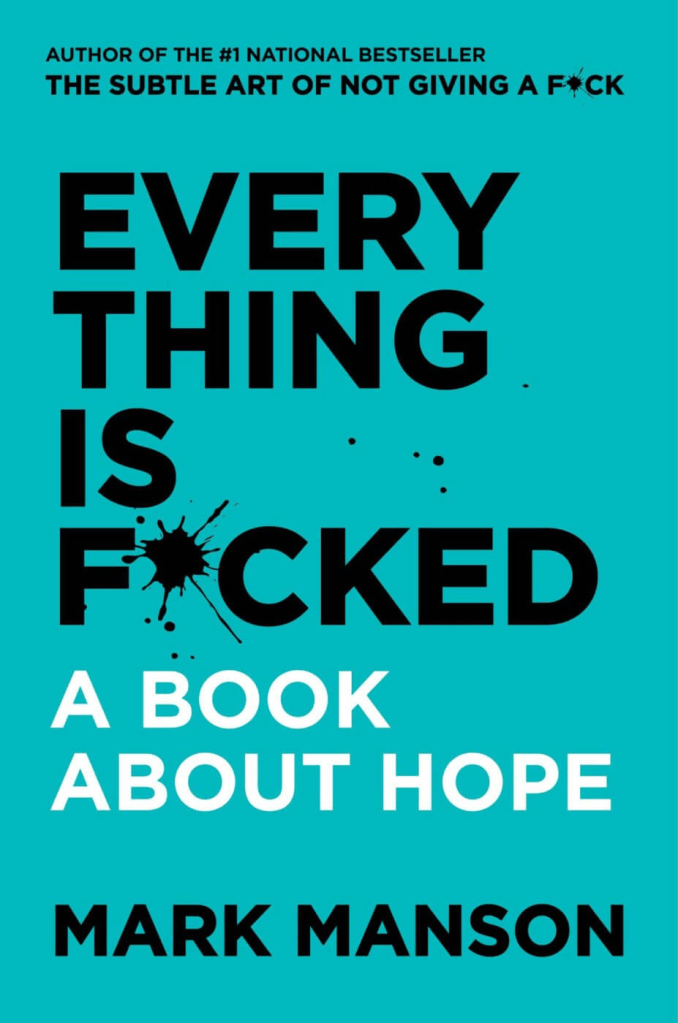
Manson’s follow-up to his mega-hit delivers more blunt wisdom about hope, meaning, and living well in a chaotic world. He explores why we feel anxious despite unprecedented comfort and how to find strength in accepting life’s limits.
What makes it special: Dark humour meets philosophy in a book. It disrupts traditional self-help with raw honesty. The book also fosters intellectual curiosity.
Perfect for: Fans of contrarian thinking, anyone facing existential anxiety, or those who appreciate humour with their philosophy.
Key takeaway: The central message is that meaning and hope aren’t given to us by the world. We must actively construct them through our choices, values, and how we interpret our experiences.
96. Win Bigly: Persuasion in a World Where Facts Don’t Matter by Scott Adams
Goodreads.com star rating = 3.73/5
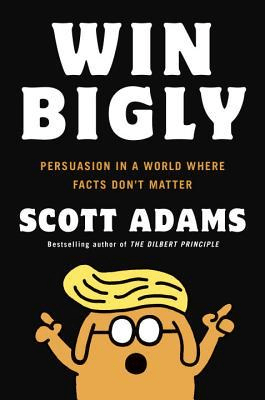
The Dilbert creator applies his knowledge about the topic of persuasion to explain why emotional appeal often trumps facts. Using Trump’s rise as a case study, Adams breaks down the psychology of influence and communication.
What makes it special: Whether you agree with the politics or not, Adams provides fascinating insights. He explains how persuasion truly operates in high-stakes situations.
Perfect for: Marketers, salespeople, political junkies, and anyone curious about influence and communication strategies.
Key takeaway: Persuasion is less about logical arguments and more about understanding human psychology, emotional triggers, and cognitive biases. Adams argues that mastering these techniques can help you become more influential. It also makes you more resistant to manipulation by others.
95. The Marshmallow Test: Mastering Self-Control by Walter Mischel
Goodreads.com star rating = 3.73/5

The scientist behind the famous marshmallow experiment reveals that self-control isn’t fixed—it’s a learnable skill. Mischel shows how delayed gratification affects everything from financial planning to relationships.
What makes it special: It offers hope by proving willpower can be developed, plus practical “cooling strategies” for managing temptation.
Perfect for: Parents, educators, therapists, and anyone wanting to improve their self-discipline and decision-making.
Key takeaway: Self-control is not a fixed trait. It is a skill that can be learned and strengthened. This occurs through specific strategies and practice.
94. I Hate You– Don’t Leave Me: Understanding the Borderline Personality by Jerold J. Kreisman and Hal Straus
Goodreads.com star rating = 3.79/5
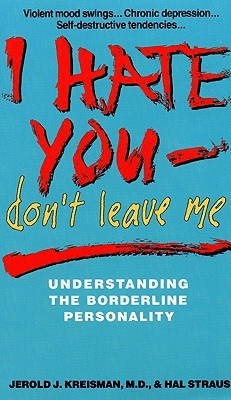
This groundbreaking book brought Borderline Personality Disorder into mainstream awareness. It explains the intense emotional swings and relationship patterns that characterize Borderline Personality Disorder (BPD) with compassion and clarity.
What makes it special: It validates chaotic emotions while offering hope through modern treatments like Dialectical Behavior Therapy.
Perfect for: Loved ones of someone with BPD, people recognising BPD traits in themselves, and mental health professionals.
Key takeaway: People with BPD can develop more stable relationships. They can better regulate their emotions. They can be more mindful. They can also calm their distress. There may be ongoing challenges. However, people with BPD can enhance their quality of life with better understanding, effective treatment, and support. .
93. iGen: Why Today’s Super-Connected Kids Are Growing Up Less Rebellious, More Tolerant, Less Happy — and Completely Unprepared for Adulthood — and What That Means for the Rest of Us by Jean M. Twenge
Goodreads.com star rating = 3.79/5

Twenge uses massive datasets to show how smartphones and social media have fundamentally changed the generation born after 1995. She reveals both the positives (more tolerant, less risky behavior) and negatives (rising anxiety and depression).
What makes it special: It provides data-driven insights into a generational shift that affects millions of young people. Decades of research supports Twenge’s claims.
Perfect for: Parents of teens, educators, therapists working with youth, and anyone curious about how technology shapes human behaviour.
Key takeaway: The smartphone revolution has fundamentally altered adolescent development. It has created the first generation to mature entirely in a digital environment. There are profound consequences for their mental health, social development, and preparation for adult life.
92. The Mindful Body: Thinking Our Way to Chronic Health by Ellen Langer
Goodreads.com star rating = 3.80/5

Harvard psychologist Ellen Langer argues that our beliefs and mindset significantly shape our physical health. This isn’t mystical thinking—it’s grounded research on how expectations influence everything from blood sugar to aging.
What makes it special: Secular, scientific approach to mind-body health that challenges “diagnosis as destiny” thinking without making false promises.
Perfect for: People with chronic illness, healthcare professionals, and anyone curious about the psychology of healing and growing older.
Key takeaway: our health is not predetermined by genetics or age alone. It can be significantly influenced by how we think about our bodies and health. We can improve our physical well-being through mental shifts. This is possible by adopting mindful awareness. We should also question limiting beliefs about illness and old age.
91. Don’t Trust Your Gut: Using Data to Get What You Really Want in Life by Seth Stevens-Davidowitz
Goodsreads.com star rating = 3.80/5
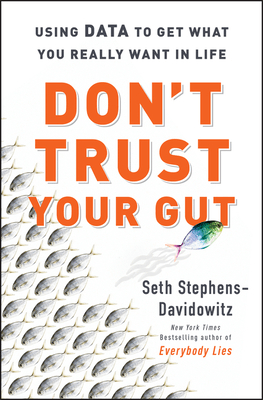
Stevens-Davidowitz uses data from Google searches, dating sites, and health trackers. He reveals that our instincts about happiness, success, and love are often wrong. The data tells a different story about what actually works.
What makes it special: Clever insights backed by massive datasets, delivered with humour and humility. It’s the antidote to feel-good self-help myths.
Perfect for: Data enthusiasts, self-help sceptics, and anyone making big life decisions who wants evidence over gut feelings.
Key takeaway: Our intuitions about what will make us happy, successful, and fulfilled are often wrong. By looking at large-scale data patterns, we can make better decisions about relationships, careers, and parenting. This approach could enhance overall life satisfaction more than relying on gut feelings or conventional wisdom.
Would you be interested in checking out any of these books? Stay tuned for the rest of the countdown. Another 10 books in the countdown will be released each week.
Dr Damon Ashworth
Clinical Psychologist


 Damon Ashworth Psychology
Leave a reply to Part Four of My Top 100 Non Fiction Books Countdown: 70-61 – Damon Ashworth Psychology Cancel reply