Category: health & wellness

  • Are You Playing the Right Games in Your Life?

    Are You Playing the Right Games in Your Life?

    A fascinating book that I read recently was The Status Game by Will Storr. I have enjoyed reading a few of his prior books too, including Selfie and The Science of Storytelling.

    In it, Storr says that it is impossible to not be part of some hierarchies. In other words, we can’t go through life without having a sense that we are competing against other people in some areas of our lives.

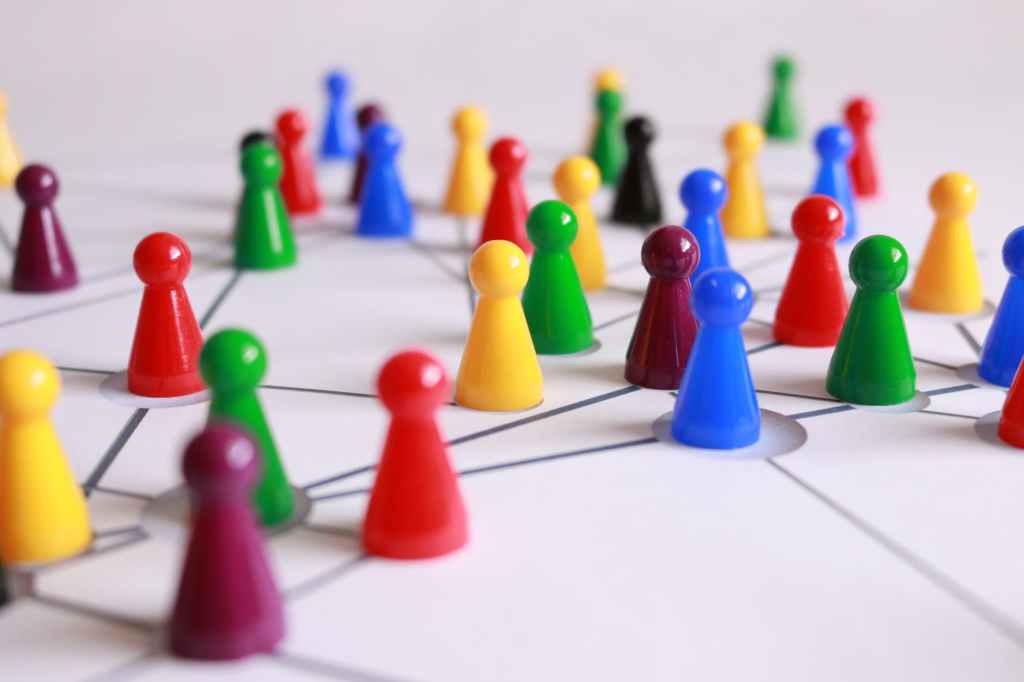
    This is what he means by games. Not just basketball, monopoly, or poker. A game is anything where there is a set of rules about how things should be. Based on this, it is possible to get a sense of if you are doing well, winning, or losing.

    “The fastest person on the planet” is a game that has been played better by Usain Bolt than anyone else ever. Michael Phelps is at the top of the “best swimmer of all-time” hierarchy. Whilst I had some moments when I was younger when I did Little Athletics and swam competitively, I’m not trying to play either of these games these days. Therefore, I don’t really care about where I am in either of these hierarchies.

    Joe Rogan has been at the top of the “most listened to podcast” hierarchy for a while now with his Joe Rogan Experience. I wouldn’t mind having a few more listeners and some of the financial security that comes along with it, but being at the top of that game is really not what I’m aiming at either.

    I podcast because I like to have a creative outlet and share some of my insights with people who may be interested. It’s also fun to be sharing the project with one of my closest mates who I don’t get to see as often as I would like to anymore. Therefore, as long as I am making and putting out a podcast episode once a month, I’m happy with the game I am playing.

    Bernard Arnault is currently winning the game of the “richest person in the world” with $208.7 billion. Being high up on that hierarchy sure wouldn’t be important to Will MacAskill, who is an effective altruist and author of the excellent 2015 book Doing Good Better. He committed a while back to donating to charity all money that he makes every year beyond £24,000. Being the richest person in the world would be even less important to a Monk that has given away all of his earthly possessions and is spending his life in a monastery.

    When it comes to money for me, all I am aiming for is a healthy and happy life. If the money I am making and saving allows me to do that, I feel like I am winning. Especially if I get to live in a sustainable way where I am not too stressed, helping some people in my work and connecting with the people that are most important to me outside of it.

    I might not have as many fancy things as Kim Kardashian, or get to travel into space like Jeff Bezos, but I am also glad that I am not like either of them in these ways and many others too. Because I am not competing against them for things or money, we are not playing the same games, I am not lower in the hierarchy of those games, and I do not have to feel worse about myself.

    It is only when I am not being the person that I want to be, and I can see that others are living the life that I want better than I am that I experience feeling lower in the hierarchy and worse off. The moment I can make the necessary changes to start living my life consistently with my core values, the more I am playing the games that are really important to me, the better I am doing and the more satisfied I am likely to feel.

    At the end of The Status Game, Storr shares what he says are the core rules of status games to keep in mind so that you can improve your life and be protected from potential traps and danger. Sometimes certain dreams can be persuasive, but it doesn’t mean that striving toward something will necessarily give you what you need. I’d like to summarise these for you here.

    Photo by Marc on Pexels.com

    Seven Rules of the Status Game

    Rule 1: Practice warmth, sincerity, and competence

    These three components are essential if you want to optimally present yourself to others and successfully play a status game. If another person is trying to gauge what type of person you are, they are most likely to assess you to see if you are a kind person, if you are genuine, and if you know what you are talking about and are good at what you do.

    If you have competence, sincerity, and warmth in whatever it is that is important to you, others will know that you will not try to dominate them, that you will treat them fairly, and that you will probably be able to help them.

    Rule 2: Make small moments of prestige, not dominance.

    Wherever you can, try to create win-win situations, where you are trying to benefit both yourself and the other person in an interaction. If you are trying to win by making the other person lose or be worse off, it can lead to a worse reputation for who you are over time.

    Try to be respectful to others, even if you disagree about something. Be gracious and thankful for the efforts that they have put in. You might not always get what you want if you conduct yourself in this way. However, both parties will leave the situation feeling better about who you are as a person, including yourself. If you take care of developing your character in the ways you would like, your reputation is likely to speak for itself over time.

    Rule 3: Play a hierarchy of games and resist tyranny.

    Whichever game you are playing, try to see if you can notice how status is awarded. If higher-status people are the most obedient ones, believe more strongly in the dogma, and are most concerned with defeating the enemies or non-believers, you may be caught up in tyranny. Tyrannies are virtue dominance games.

    To best protect yourself from becoming too caught up in tyranny, try to play a wide diversity of games and have different aspects to your identity.

    If someone’s identity is entirely tied up with being a good Democrat or a good Republican, it can be hard to go against anything that their party stands for. However, if your political beliefs are only a small part of who you are, it may be a lot easier to disagree with the party that you usually support on a particular topic.

    Storr says that life is easier when we organize it as a hierarchy of games. By choosing what is most important to you, and then putting effort into these different things in a proportional way, you are likely to obtain a lot of meaning in your life.

    Rule 4: Reduce your moral sphere.

    Where you can, try not to spend too much time judging other people for what they do. Instead, turn your focus to your own life and behaviors, and see if you are being the person that you want to be. It is so much easier to judge other people for falling short than putting in the consistent effort to improve yourself in the ways that you would like to.

    If someone else is playing a game that doesn’t matter to you, why do you need to judge them? They might have different values from you and are okay with the choices they are making. Isn’t it more important to find out if you are living consistently with your values?

    Rule 5: Foster a trade-off mindset.

    One of the quickest ways to poison the empathy we have towards someone or something is to become moralistic about it. The truth of most matters is often more complex than you realise if you only think about it as right or wrong.

    If you can, try not to view the world in terms of heroes and villains, but different groups negotiating trade-offs. Most people are simply wanting what they perceive is the best for themselves, their family, or their group.

    Pain is pain, regardless of who it is happening to. If you perceive someone as an enemy, try to understand the pain that they are in. Also, see if you can see the games that they are playing in an attempt of gaining status and feeling less pain.

    If you can understand why someone is doing something, even if you would never want to play their game or see it as valid, it may be easier to remain compassionate or empathetic towards them. We need to all fight the bigotry that exists on both sides, and see if it is possible to reduce pain and improve the quality of life for all.

    Rule 6: Be different.

    It’s not easy to play a status game, nor is it often rewarding. If there can only be one winner, it can make everyone else feel worse off. Especially if you’re living in a more individualistic culture. If you live in a more collectivist culture, if anyone in your group has success, it can be possible to feel some of that success yourself too.

    There is another way towards feeling good about yourself rather than continuing to try to be perfect or better than everyone else at something. That is through having the courage and determination to live by your own values and do your own thing, regardless of what everyone else says is important.

    It may be tough to not conform if you feel a lot of external pressure to do what everyone else is doing. However, minor acts of non-conformity that do not violate the core standards of the group can attract attention rather than make you an outcast. As long as you remain helpful and useful to the group at times, you can rise in your status rather than being ostracised.

    Being original also makes it very difficult for others to compete with you. Keep trying to be yourself rather than trying to be perfect. No one else is ever going to be as good at being you as you are, no matter how hard they try.

    Rule 7: Never forget your dreaming.

    At the end of the day, most things are not as important as people think when they are caught up in a status game. People strive for status because they want to feel like their life is essential and really means something to others and the fate of the world.

    But if you look at the 8 billion people on the planet, there may not be too many people that are remembered 450 years later like Shakespeare, or over 200 years later like George Washington. This doesn’t mean that your life isn’t important to some people.

    Your life probably already means a lot to your inner circle, including your closest family, friends, and co-workers. I guess a big question then is what is more important to you? Being the person that you would like to be towards your parents, partner, children, best friends, and colleagues? Or worrying about what a random person in your town, the other side of the world, or in a few hundred years thinks about you?

    Once people have met their basic needs for shelter, water, food, and safety, the next most important things become love, connection, and esteem. Sometimes it is at this point that many of us become caught up in a status game. We feel that we need to have as many symbols of status as possible.

    We can think we want deference and flattery from others, influence and lots of money, fast cars and big houses, expensive clothing and jewellery, and lots of attention. But are any of these things really what is most important to you? If someone was writing your obituary after you died, what would you hope that they would say about the person that you have been and the people that you had the biggest positive impact on?

    We can never fully escape from the various status games, as most people naturally compare themselves to others to see how they are going. This can then impact how people feel about themselves. However, there is some wisdom in just knowing that these games are there, and we can choose which things matter or don’t matter in our lives.

    If my neighbor goes out and buys a fancy sports car or flies first class, I do not have to feel worse about myself if these games do not matter to me. The answer lies in finding and playing the games that do matter.

    It’s also not about getting to a destination, and then enjoying the rest of your life. Chances are that your mind will continue to strive for status in one way or another for the rest of your life. Therefore, there is no end or a happily ever after.

    Storr says that the key is to be happy with the direction that you are heading in and the progress that you are making. If you can live in a sustainable way with the things that really matter to you and feel connected to the people that you care most about, you will know that you are on the right track. Hopefully, your physical and mental health will be better off for it too.

    The final thing that he says, and one that I never used to understand, is that the meaning of life is about being able to keep playing in the ways that are most important to you. It is not about winning.

    Dr Damon Ashworth

    Clinical Psychologist

  • Ten Timeless Rules for a Fulfilling Life

    Ten Timeless Rules for a Fulfilling Life

    One of the better books I have read recently is Rutger Bregman’s ‘Humankind: A Hopeful History‘. It was first published by De Correspondent in the Netherlands in 2019 as ‘De Meeste Mensen Deugan‘.

    De Correspondent began as a new journalism platform in 2013 that consisted of no advertising, no cynicism, and no news. It was the idea of Dutch philosopher Rob Wijnberg, and the idea of the publication was to offer solutions. Bregman began working for De Correspondent in 2013 after a conversation with Wijnberg, and Humankind is the result of his seven years of work there.

    At the end of the book, after thoroughly highlighting that Phillip Zimbardo sucks and Gordon Allport is awesome, Bregman suggests ten rules to live by now. If we can follow these rules, it will help us to more clearly see that humans are not as bad as most people believe. Here they are:

    I: When in doubt, assume the best

    As much as ‘The Lord of the Flies’ and Phillip Zimbardo try to suggest otherwise, Bregman shows through several stories and case studies that typical human nature is fundamentally good. By presuming positive intent in others, we help foster trust and cooperation. Some Narcissists or Psychopaths will try to take advantage of you, but the majority of people will do what they can to try to co-operate with you if they know that you want to co-operate with them and want the best for them too.

    II: Think in win-win scenarios

    Sometimes people will think that to personally get ahead, or for them to win, someone else needs to lose. With certain games, like many sports (e.g. football or basketball), this is true. But there are lots of things in society that are not zero-sum games, including relationships. Bregman emphasises creating collaborative win-win solutions that help everyone, rather than zero-sum outcomes where one party’s gain is another’s loss.

    III: Ask more questions

    Curiosity and open-mindedness are key to understanding others and finding better solutions. Bregman asks us to not assume things, and instead deeply inquire what someone is saying and where they are coming from and why. People may have very different opinions about a topic, like politics, but both people or groups may share similar values below that of wanting a good life for their friends and family and people that they care most about. What if we asked more and judged less?

    IV: Temper your empathy. Train your compassion

    Empathy, or putting yourself in someone else’s shoes and really trying to feel what they are feeling, is an excellent skill to have. It can help us to feel the pain of someone struggling. By doing this, potentially we are more likely to reach out and support or act and do something about the situation. But studies have also found that experiencing empathy can be draining, which makes it a finite resource.

    People that consider themselves “empaths” report feeling a lot of empathy towards others. Over time, they learn that they need to carefully protect this resource and when they use it or risk experiencing burnout and fatigue.

    Compassion, on the other hand is a more measured approach and is not draining in the same way as empathy. It is potentially an unlimited or growing resource rather than a finite one. Different areas on the brain light up when people are experiencing compassion than empathy, and people report feeling energised by compassion rather than drained from it. By practicing compassion or loving-kindness meditation, it is possible to increase the feeling of wanting the absolute best for others, including people that you might not love or strangers, and then use the energy that comes from this into being more loving or kind through your actions.

    V: Try to understand the other, even if you don’t get where they’re coming from

    With how polarised issues seem these days, it can feel easy to write off someone else as ‘bad’ just because they think differently than you on a particular topic. But considering the echo chambers that people might be living in online, both of you may think that your position on the issue is the obvious and clearly right choice.

    What if we focused on encouraging dialogue and understanding between groups or people that are thinking differently? It could help bridge the divide between the two parties and foster better relationships.

    VI: Love others as you love your own

    One aspect of humanity that will be difficult to fully overcome is the in-group, out-group bias that nearly everyone has. Studies have found that putting different people into groups where they are working as a team towards a common goal can change how people feel towards the other people. Suddenly, the other person can change from being seen as one of them to one of us. With football, this can easily be seen. The Chelsea fan who hates the Manchester United fan might get along with them really well when England is playing in the World Cup.

    What if we could start thinking about people in a more universal way? If there was an alien invasion, would we suddenly all team up and see that we are all human and want the best for those we are closest to and care the most about? Is it possible to show that same care and respect to people all over the world?

    VII: Avoid the news

    Like the book ‘Stop Reading the News: A Manifesto for a Happier, Calmer and Wiser Life’ by Rolf Dobelli, Bregman shows that news often focuses on sensationalism and negativity. The standard news negatively distorts our perception of ourselves, others, the state of the world, and our future. By stepping back from constant news consumption, we can keep a more balanced view of humanity and see how much progress we have already made and how much we are likely to make going into the future too.

    When I tell some people that I try to consume as little traditional news as possible, it seems like some people think I am not trying to stay informed on the important things that are going on around the world. That is not necessarily true, I’m just not sure if the standard news really is the place to get it. I subscribe to both the Fix the News and Human Progress weekly newsletters. They summarise a lot of positive events that are happening around the world, and I love reading about all of the amazing progress and innovation that is occurring.

    For example, the new Malaria vaccines that are being rolled out across Africa look pretty amazing, and could prevent cases by 30% with one vaccine and have 75% efficacy over a year with another. That could go a long way in reducing the overall cases we get each year (estimated 249 million cases in 2022), and hopefully reducing the overall death toll too (estimated 608,000 in 2022).

    VIII: Don’t punch Nazis

    By just looking at the wording, it seems like the most irrelevant rule of the list. Especially seeing that I don’t tend to meet too many people who identify as Nazis. But if we interpret this rule a little bit wider, we can see that Bregman is advocating for non-violence and the importance of addressing hate through understanding and dialogue rather than through aggression.

    Mahatma Gandhi and Martin Luther King Jnr are two of the most famous examples of what progress can be achieved through nonviolent resistance. Nelson Mandela is another great example of what can be achieved through trying to move forward in the most effective way rather than trying to punish people for what they have done in the past.

    IX: Come out of the closet, and don’t be ashamed to do good

    Embrace and be proud of your positive actions and values, even if they are unconventional or are met with resistance or judgment by others. The VIA character strengths survey or the intrinsic values test are two great ways to get clearer on what your key strengths and core values are. Once you are aware of these, you can then look at how they can be applied more in your day-to-day life going forward.

    This doesn’t mean that you need to tell everyone about what you are doing necessarily, and it definitely doesn’t mean taking photos or videos of the people that you are trying to help out. But it’s also okay to show others through your actions that acts of care and kindness can be done, and it can contribute to you feeling better and the world being better over time too.

    X: Be realistic

    Finally, Bregman suggests maintaining a practical outlook while being hopeful. Human behaviour is complex, and not everything is amazing. Just because progress has occurred, it doesn’t mean that there isn’t a lot of negative things out there that are occurring too. Most recently, the cost of living challenges are having a huge impact on the mental and physical health of lots of people in Melbourne, Australia, and I am sure that it is probably happening in many other places too.

    There is always going to be trauma out there in the world, unlucky events, and certain people doing selfish and horrible things. However, if you can see that even though you might have some challenges, generally you try to be fair and kind, then potentially there are more people out there that are trying to be like this too.

    Like Bregman, I’d prefer to have an optimistic view towards others and the world. If we can try to live by these rules, it could help us to foster a more compassionate and constructive approach to interacting with others and viewing the world.

    Dr Damon Ashworth

    Clinical Psychologist

  • Mapping Your Life’s Journey: Is it a Western, Eastern, Southern, or Northern Story?

    Mapping Your Life’s Journey: Is it a Western, Eastern, Southern, or Northern Story?

    In the grand narrative of our lives, we often depict ourselves as the central character, or hero of our story. This makes a lot of sense. We are much more aware of our thoughts, feelings, dreams, intentions and actions than we are of others. Most movies that we watch or stories that we read also give the most attention to the hero.

    A hero is someone who is living an epic tale, having to navigate through various landscapes and challenges. But have you ever considered what type of story or narrative you are playing out?

    Is it a tragedy? Where things started out promisingly, but then everything slowly gets worse until you lose everything and die alone? Or is it a redemptive story? Things haven’t always been easy but you turn things around. You figure out how to live the life you have always wanted.

    Let’s delve into the idea of life’s journey through the lens of Western, Eastern, Southern, and Northern storytelling archetypes. Each direction offers a unique perspective on how we perceive our experiences and aspirations.

    The Western Story: Quest and Conquest

    Western stories are essentially about a quest or a journey toward a goal. Heroes venture into unknown territories. The protagonist is often driven by ambition. They seek personal growth or pursue a dream. They face daunting challenges and ultimately return transformed.

    Consider the film “The Good, the Bad and the Ugly” (1966) or the book “Riders of the Purple Sage” by Zane Grey. In each story, it focuses on a gunslinger. In the film, the hero is competing to find buried treasure. In the book, the hero is fighting against oppressive forces.

    If you see your life as a Western story, you view yourself as a trailblazer. You are tackling obstacles and striving toward personal achievements. Your journey is marked by significant milestones, dramatic confrontations, and a sense of progression. The satisfaction comes from overcoming adversity and reaching new heights, much like the heroes who triumph in the end.

    In a Western narrative, the police take bold actions to tackle crime. The legal system is adversarial and pursues both personal and societal justice and seeks victory. Officers confront danger and wrongdoing with determination and bravery. The emphasis is on personal freedoms and the right to a fair trial.

    The Eastern Story: Harmony and Balance

    The emphasis in Eastern stories is on balance, inner peace, and harmony with the universe. These stories are deeply rooted in Buddhism, Taoism, and Confucianism philosophies. The focus is on understanding one’s place in the world. It also involves finding equilibrium and achieving a state of enlightenment.

    Think of the movies “Crouching Tiger, Hidden Dragon” (2000) or “Spirited Away” (2001). The first film has themes of honour, balance and inner peace. The second identity, growth and harmony.

    If you see your life as resembling an Eastern narrative, you care about maintaining balance. You value inner peace more than chasing external goals. Your journey will involve self-discovery, spiritual growth, and fostering connections with others. The ultimate aim is not necessarily about achieving greatness but about finding harmony and living according to your values.

    In an Eastern story, the police and the courts work to prevent conflict. They resolve disputes in ways that preserve societal equilibrium. There is a focus on mediation and reconciliation, rather than winning or punishing offenders. The emphasis is on moral conduct and social harmony. It integrates modern legal principles and structures with traditional wisdom and informal community practices.

    The Southern Story: Community and Connection

    Southern stories highlight themes of community, tradition, and connection to the land. These narratives are rich with cultural heritage and emphasize the importance of relationships, family, and communal ties. Southern stories showcase the strength found in family or community bonds. They respect traditions passed down through generations.

    Two famous examples of a Southern narrative is the movie “Steel Magnolias” (1989) or the book “To Kill a Mockingbird” by Harper Lee. In the movie, a close-knit group of Southern Women support each other through life’s ups and downs. In the book, it explores themes of racial injustice, community and moral growth.

    If you view your life through a Southern lens, you emphasize nurturing relationships. You also focus on contributing to your community. Your journey involves staying connected to your roots, supporting others, and finding fulfillment in shared experiences. The narrative here is less about you as an individual. It is more about the impact you have on those around you.

    In a Southern narrative, the police are part of the community. They will work closely with residents to help resolve issues and build relationships. Justice is restorative in nature, and focuses on repairing harm and reintegrating offenders into society. The legal system will try to uphold community norms and customs. It can be influenced by local leaders, community elders and informal networks of support.

    The Northern Story: Exploration and Self-Reliance

    Northern stories are characterized by exploration, resilience, and self-reliance. They involve journeys into harsh or uncharted territories where survival and self-sufficiency are key. These narratives celebrate strength, endurance, and the capacity to thrive in challenging conditions.

    Think of the film “The Revenant” (2015), or the movie and book “Into the Wild” by Jon Krakauer. Both involve people venturing solo into the harsh wilderness. To seek vengeance in “The Revenant”, and to seek meaning and self-reliance in “Into the Wild”.

    If you view your life narrative as a Northern, you see yourself as a pioneer facing and overcoming personal trials. You venture into new experiences, embrace challenges head-on, and show resilience in the face of adversity. You focus on personal fortitude and the ability to navigate through difficult circumstances with determination and courage.

    In a Northern story, the police are cold and unforgiving. Their emphasis will be on personal responsibility and self-reliance. The legal system will incorporate elements of survival-based justice. It will be both adaptable and resourceful, as conventional approaches are often not possible in isolated areas.

    Reflecting on Your Narrative

    Understanding which direction your life story aligns with can give you valuable insights into your motivations, values, and aspirations. Your journey could integrate elements from all four directions. It does not have to be just one. Your life can gain from having a rich and complex narrative.

    It is possible to pursue goals with a Western sense of adventure while seeking inner peace with an Eastern approach. You can stay connected to your community like in a Southern story, and embrace challenges with Northern resilience.

    Ultimately, recognizing your narrative can help you understand your life and journey better. It helps you make conscious choices about how you want to shape your future.

    You might be drawn to the quest for greatness. Maybe you are pursuing balance or enjoying the warmth of community. Perhaps you are exploring new horizons. No matter what, your life’s story is uniquely yours. Reflect on your own journey. Embrace the narratives that resonate most with you. Let them guide you toward a fulfilling and meaningful existence.

    Dr Damon Ashworth

    Clinical Psychologist

  • Is Humanity Really Doomed, or Are Things Better than What We See in the News?

    Is Humanity Really Doomed, or Are Things Better than What We See in the News?

    Is it just me, or have other people also been hearing a similar message with greater frequency lately?

    “The world is only getting worse. Things will continue to worsen until all of humanity is wiped out. Humanity’s downfall is inevitable at this stage. There is no hope that things can change. There is nothing we can do about it. The end of times will be caused by either climate change or General AI.”

    Back in 2016, they surveyed people in 17 countries about their perception of the state of the world. 58% thought that the world was either getting worse or staying the same. Americans were even glummer: 65% thought the world was getting worse and only 6% thought it was getting better.

    In 2021, when 10,000 young people aged 16 to 25 were surveyed, 75% agreed that “the future is frightening”. 56% agreed that “humanity is doomed” and 55% agreed that “the things that I most value will be destroyed”.

    Yes, some of the things that are happening are deeply troubling. If I watch or read too much mainstream news, I quickly become concerned about the state of the world also. But is this really the whole story?

    Or are we just given snippets of things that portray an overly negative view on the state of things? Both news outlets and social media companies surely know by now. Stories that elicit fear and rage in the audience lead to people consuming more media. It keeps people on their station or site longer. “If it bleeds, it leads!” Or if it leads to people wanting to draw blood in others too, I guess.

    At the end of each year, I receive two emails that summarise the best stories of progress for the year. On December 19th, Fix the News shared their article ‘86 Stories of Progress from 2024.’ Human Progress’s Doomslayer newsletter then shared their ‘1066 Good News Stories You Didn’t Click On in 2024.’

    It always pleasantly surprises me reading through these end of the year lists. Lots of incredible things are happening. Millions of people’s lives are being saved. Even more lives are being improved because of the progress that is being made. So why is it that unless we are actively searching for these things, we hear nothing about them?

    10 Amazing Bits of News that You’ve Probably Heard Nothing About

    1. A GAME-CHANGING HIV DRUG

    In June 2024, researchers showed that a drug called lenacapavir reduced HIV infections to zero in a trial. This means that the drug, which only has to be taken twice a year, was 100% efficacious. By October 2024, an affordable version of lenacapavir was going to be produced for 120 resource-limited countries. More recent trials are also testing a version that only needs to be taken once a year.

    2. A MALARIA VACCINE

    17 African countries began their roll out of a malaria vaccine in 2024. These countries include Nigeria, Democratic Republic of Congo, Niger and Kenya. From 2000 to 2023, 12.7 million deaths and 2.2 billion cases were averted due to prior malaria interventions used. 95% of the 597,000 malaria-related deaths in 2023 occurred in Africa. According to the CDC, the new malaria vaccines can reduce uncomplicated malaria by approximately 40%. They can also reduce severe malaria by approximately 30% and all-cause mortality by 13%. Other studies suggest that it is less effective in high-transmission areas than in low-transmission areas. Here is hoping that it can further reduce the burden of malaria worldwide.

    3. INFANT MORTALITY HAS MASSIVELY REDUCED IN SOUTH ASIA

    The number of young children dying each year in South Asia has decreased significantly from 1990 to 2022. In India, Bangladesh, Sri Lanka, Nepal, Pakistan, Iran, Bhutan, Afghanistan and the Maldives, the number decreased from 5 to 1.3 million. Since the year 2000, children in South Asia are now 62% less likely to die between birth and five years of age.

    4. CANCER MORTALITY IS DECLINING IN WEALTHIER COUNTRIES

    Mortality rates from cancer in the US has fallen by about a third in the last 30 years. This saved over 4 million lives. Mortality rates from cancer have fallen by 12% in Canada in the last 10 years. Between 2018 and 2024, 6.5% fewer men and 4.3% fewer women died of cancer in Europe.

    5. DEFORESTATION IN SOUTH AMERICA IS IMPROVING

    Deforestation in Columbia hit a 23-year low, and dropped by 36% from the year before. Bolivia created four new protected areas. Chile protected 1,315km2 of new area. The Brazilian Amazon’s deforestation is nearly five times less than it was back in 2004. It has halved in the last two years. Importantly for the future, over 60% of the Amazon is now under some form of conservation management.

    6. 21 DIFFERENT ENDANGERED SPECIES RECOVERED

    I hadn’t even heard of some of these species that have recovered. They include the fish called Putitor mahseer, the Florida golden aster, the Ulūlu, the Arapaima, the Chipola slabshell and Fat threeridge (mussels), and the Pookila. Other well-known species that are doing better are the (Australian saltwater and Siamese) crocodile, Giant pandas, the Narwhal, (Asiatic) lions, (Saimaa ringed) seals, (red cockaded) woodpeckers, (Asian) antelopes, (Yellow-footed rock) wallabies, (Southern bluefin) tuna, (orange-bellied) parrots, and (Sierra Nevada yellow-legged) frogs. The Scimitar oryx, Iberian lynx, and the Yangtze finless porpoise have also recovered.

    7. MILLIONS MORE CHILDREN WERE EDUCATED IN SCHOOLS

    Since the year 2000, the global number of children not attending school has declined by nearly 40%. Over this same period of time, the world’s population has increased by nearly two billion people. Which makes a 40% drop in overall numbers even more remarkable. Gender parity has been achieved in primary education in Eastern and Southern Africa. 40 million more young people are completing secondary school than they were in the early 2000s. This means that the average child also attends school for more years.

    8. ACCESS IMPROVED TO WATER, SANITATION AND HYGIENE FOR MILLIONS OF CHILDREN

    Between 2015 and 2023, 213 million children gained access to drinking water at their schools. 193 million children gained access to sanitation and 174 million gained access to hygiene services at school too. These figures are all based on a report from WHO/UNICEF.

    9. CRIME IS GETTING A LOT BETTER IN SOME PLACES

    Homicide rates in Brazil fell to a 14-year low. They are also at their lowest rates in Mexico since 2016. Crime rates have fallen by more than 50% in the Philippines compared to six years ago. Levels of violent and property crime in the US are among the lowest rates recorded since the 1960s. There has been an enormous decline in homicides in the US too.

    10. HOW WE ARE PERSONALLY FEELING SEEMS TO BE IMPROVING

    The 2024 Gallup Global Emotions Report examined data on positive and negative experiences. By assessing 146,000 people from 142 countries worldwide, Gallop tried to get a sense of how people felt about their experiences from the day before. This then provided a larger snapshot of how pleasant or difficult people’s lives are feeling in general.

    The positive experience index asks about how well-rested one feels, if they were treated with respect, and if they smiled or laughed a lot. It also asks if they learned or did something interesting, and if they enjoyed things.

    The negative experience index asked how much people experienced physical pain, worry, sadness, stress and anger.

    The average person’s level of positive experiences are now the highest that they have been since before the COVID-19 pandemic. In terms of negative experiences, these scores had been consistently getting worse from 2014 to 2023. The 2024 results were the first time in a decade that the Negative Experiences Index score has declined. Hopefully this can become a new trend for the next decade.

    Imagine what would happen if people start seeing some of the positive changes that are already occurring worldwide, rather than just the negative stories? People might keep a sense of hope for the future. They might realise that it isn’t too late. There are steps that they can take for things to keep improving.

    Or is it just me that feels like I am getting a distorted picture of how things are? Feel free to let me know in the comments below.

    Dr Damon Ashworth

    Clinical Psychologist

  • Life Satisfaction vs. Daily Joy: A Global Perspective

    Life Satisfaction vs. Daily Joy: A Global Perspective

    I was recently reading through The 2024 Gallup Global Emotions report. I was really interested to see how different the findings were in comparison to the World Happiness Report findings.

    In the World Happiness report, the top ten countries in terms of life satisfaction are:

    1. Finland
    2. Denmark
    3. Iceland
    4. Sweden
    5. Israel
    6. Netherlands
    7. Norway
    8. Luxembourg
    9. Switzerland
    10. Australia

    For the Gallup Global Emotions report, the top ten countries in terms of positive experiences from the day before in 2023 looked very different:

    1. Paraguay = 86
    2. Panama = 86
    3. Guatemala = 85
    4. Mexico = 84
    5. Indonesia = 84
    6. El Salvador = 83
    7. Costa Rica = 83
    8. Malaysia = 82
    9. Senegal = 82
    10. Philippines = 82

    In fact, there is no overlap at all between the two top ten lists. The World Happiness report top ten is dominated by Nordic and European countries. Israel and Australia are the only exceptions. The Gallup Global positive experiences top ten is instead made up of countries from Central and South America and Asia. Senegal is the only exception.

    So what is going on here, and why is there such a big difference with no overlap in either top ten list?

    I think it because they are measuring different things. Previously, I have written an article about our two selves. The first is the experiential self, or how much we are enjoying things in the moment. The second is the narrative self, or how we are feeling about our life in general.

    The Cantril Ladder question that determines the World Happiness rankings asks more about people’s narrative self. It questions people’s life satisfaction in general on a scale from 0 to 10. A score of 0 is the worst life they can imagine. Meanwhile, 10 signifies the best life.

    The Gallup Positive Experiences instead asks about people’s experiential self. It asks how well-rested someone felt yesterday. It also asks if they were treated with respect all day. Furthermore, it inquires if they smiled or laughed a lot. It then asks if they did something interesting or learned something, and if they felt enjoyment.

    In determining where it would be better to live, you may need to consider your priorities. Ask yourself which self is more important to you. Would you rather feel more satisfied with your life in general. Or would you rather experience more positive things from day to day?

    Maybe both things are important to you. However, it could be tough to find a country excelling in looking after both our narrative and experiential self. I think I might actually prefer to live in a country with more positive experiences. What about you?

    Dr Damon Ashworth

    Clinical Psychologist

  • Which Activities Make Us the Happiest?

    Which Activities Make Us the Happiest?

    The app Mappiness pings people twice a day and asks them what they have just been doing, who they are with, and where they are. It can also tell what the temperature and weather are. It then asks people three questions:

    1. How happy are you?
    2. How relaxed are you?
    3. How awake do you feel?

    People can answer anywhere on a scale from “not at all” at one end to “extremely” at the other end.

    Photo by veeterzy on Pexels.com

    Can the weather impact people’s happiness?

    Mappiness has looked at the data from 15,444 people across 138,407 observations. Warmer temperatures tend to help the average person feel happier than colder temperatures (+4). However, rain negatively impacts people’s moods more than cold weather (-11). If it is sunny, it makes a slight positive difference to how people feel, but not too much (+1.1).

    Photo by energepic.com on Pexels.com

    The average person doesn’t enjoy working or studying

    Working and studying tend to make people less happy while they are doing it (-5.43). It doesn’t mean that we should all go out and quit our job tomorrow. Most people need the money and are likely to be more satisfied in their overall lives with a job than if they are unemployed. However, while at work, the average person would rather be doing pretty much anything else. Out of the 39 activities, only being sick in bed was rated less enjoyable. Friday is the happiest day of the workweek because people look forward to not having to work on the weekend. Saturday and Sunday have the highest happiness ratings throughout the week and are pretty similar to each other.

    Photo by Afta Putta Gunawan on Pexels.com

    Socializing more can make you happier, as long as it’s not with your boss

    Spending time with close friends makes us the happiest (+8.19). Followed by time with a spouse or partner (+5.91). Then other family members (+2.94). Time with children produces slightly more happiness than being alone (+1.4), but higher than time with clients, customers (+0.72), colleagues, classmates (+0.64), and other people the participant knows (+0.66). Notice how these social interactions produce more happiness for the average person than being alone. Being with one’s boss is the only social interaction rated less pleasantly than being alone (Kahneman et al., 2004).

    Which activities do people do the most?

    Regarding the type of activities, the most frequently reported activities were working or studying (27.4%), watching TV or a film (17.8%), talking, chatting, socializing (14.2%), sleeping, resting, relaxing (9.6%), eating, snacking (9.5%), travelling, commuting (9.1%), listening to music (6%), drinking tea/coffee (5.4%), drinking alcohol (5.2%), or housework, chores, DIY (4.9%).

    Photo by Helena Lopes on Pexels.com

    Which activities increase your happiness?

    The activity that tends to make us feel the happiest at the moment isn’t too much of a surprise, with intimacy or making love the highest rated by a long way (+14.2). Going to the theatre, a dance, or a concert is the second highest (+9.29), followed closely by an exhibition, museum, or library (+8.77).

    Physical activities or being in nature all seem to score high, with sports, running, exercise (+8.12) the fourth highest, and then gardening (+7.83). Birdwatching or nature watching (+6.28), walking or hiking (+6.18), and hunting or fishing (+5.82) all continue this trend. The activities rated higher are singing, performing (+6.95), and talking, chatting, and socializing (+6.38), especially with close friends and partners.

    Typically overrated activities include more passive ones, including watching TV or a film (+2.55), drinking tea/coffee (+1.83), reading (+1.47), listening to a speech or a podcast (+1.41), sleeping, resting or relaxing (+1.08), browsing the internet (+0.59), texting, email or social media (+0.56).

    Photo by Eric Prouzet on Pexels.com

    Which activities reduce your happiness?

    Activities that tend to reduce happiness levels include housework, chores, DIY (-0.65), commuting (-1.47), or being in a meeting or class (-1.5). Worse still is doing admin or organizing or doing finances (-2.45), waiting, queueing (-3.51), caring or helping adults (-4.3), working or studying (-5.43), and being sick in bed (-20.4).

    You can’t avoid all of these activities. Still, knowing how negative they typically are can be helpful. For example, choosing a place to live closer to work where you can walk or ride rather than commute could make a positive difference in your mood. As could paying for someone to clean your house or iron your clothes if you don’t enjoy doing this.

    I don’t enjoy unnecessary meetings, so minimising these as much as possible could help. Likewise, I could try to find a job with more of the work I enjoy and less of the stuff I do not. I could try not to work too many hours each week. Finally, I could try to look after my health as much as possible so that I am not in bed sick too often.

    I want to thank Seth Stephens-Davidowitz for sharing these interesting insights alongside many others in his latest book, ‘Don’t Trust Your Gut’. If you’d like to see how Big Data can help you to understand yourself or people better, I’d recommend checking out this book as well as his first one ‘Everybody Lies’.

    Dr Damon Ashworth

    Clinical Psychologist

  • Breaking Free from Fate: Fresh Approaches to Lasting Behavioural Change

    Breaking Free from Fate: Fresh Approaches to Lasting Behavioural Change

    I read an interesting book recently called ‘Determined: Life Without Free Will’ by Robert Sapolsky.

    In it, he takes the firm stance of hard incompatibilism. Sapolsky says that the world is deterministic, which means that there is no free will. He even goes so far as to say that we are not morally responsible for our actions. Therefore, we should not be punished for them legally.

    Sapolsky says that all of our behaviours are directly generated by our biological past. Even if it feels like we have some choice in what we do, we actually do not. Our neurons fire in a certain way before we become aware of wanting to respond in a certain way. It might feel like you have decided to act in a certain way. You might feel like you choose one action over another. However, your biology and past experiences have already determined how you are going to respond in whatever situation you are in.

    So, even if you feel like you have decided to have that second piece of chocolate cake for dessert. You might think it is a choice as opposed to that piece of watermelon. However, it was never really a choice at all. Due to your past and your preferences, your mind will make that same choice in that same situation no matter what you do.

    To me, living in a world without any free will doesn’t sound that great. It also goes against what it feels like to live my life. I don’t want to just resign myself to act however I might be most tempted. I want to try to improve myself. I want to become a better person over time.

    If there really is no free will, is there even a point to self-help, self-improvement and psychological therapy? I still think there is. However, we need to focus more on things that can make a real difference in our lives. We cannot just hope to have more willpower to make the right decisions for ourselves at the right times.

    ACT, or Acceptance and Commitment Therapy, focuses on accepting things as they are. This approach helps prevent people from getting caught up in the struggle of trying to change something. Without free will, maybe acceptance and self-compassion are better than trying to change things you don’t like about yourself.

    Does this mean change isn’t possible?

    Not the way I see it. Even ACT sees the importance of clarifying what is most important to you and taking action towards these things.

    Even if we have less free will than we imagine, I still think that change is possible in several ways. We can control to some degree what information we choose to take in. We can spend more time with people who are living their lives in ways that we would like to. We can spend less time with people that are draining to us. We can change the environment that we live in. Finally, we can focus on establishing healthy habits and sustainable systems. Let’s explore each of these in more detail:

    1. The information that you take in

    I try to focus on three main areas of information:

    • The news I consume. I try to minimise how much news I watch on TV, online and in the newspapers. If I do read the news, I really like the weekly newsletters from HumanProgress.org and Fix the News.
    • Social media. I still use WhatsApp and Messenger to chat with friends. However, I have deactivated and no longer have access to Instagram or Facebook. I don’t know my passwords either, so can not log back in even if I wanted to. I still have access to X and LinkedIn on my computer, but rarely check them and don’t engage with others through them.
    • My phone. I have switched my iPhone to greyscale. I turn this off if I video chat with someone. When it is on, I am much less likely to use the phone more than I want to. I do not have any games on there except for Duolingo or Elevate. I enjoy listening to audiobooks, podcasts or music while walking or at the gym. I try to minimise all other uses apart from directly communicating with friends.

    Are you happy with the information that you are taking in each day or week? Does it positively or negatively impact how you feel about yourself, others, the world or the future? Is there any type of information that you would like to see more of or less of?

    2. The people that you spend the most time with, and how you spend time with them

    A quote most often attributed to motivational speaker Jim Rohn says

    “you’re the average of the five people that you spend the most time with”

    Who are the five people that you are closest with in your life? What influence do you think that they have on you?

    Now, I am not suggesting that you should stop speaking to your family members or partner. They might sometimes be more critical or negative than you would like them to be. However, is there any way that some of these relationships can be improved? Through better communication? More quality time? A fun holiday? Getting back into some interesting activities or rituals that you used to enjoy? Or trying some things that you have always wanted to do together?

    If not, are there some people in your life that you don’t see as often as you would like to? Could any of these people have a positive influence on you?

    3. Better environmental design

    At the end of May 2024, I moved into my new apartment. It is a 10-minute walk from work, which brings with it lots of potential benefits. I can spend less time commuting, which frees up more time for doing more enjoyable things that I would like to do in my life.

    Additionally, it also has a great gym in the apartment complex, an indoor swimming pool, and some reformer Pilates beds. I have been working out more, and feeling healthier, fitter and stronger as a result. Since moving, I have also joined two sports teams for the first time since 2020. In general, I feel like my environment is helping me to live more of the life I want to live.

    I no longer have alcohol or any drinks with added sugar in them at my apartment. It means that if I am thirsty, I can have soda water or water. I have also cut out having deep-fried foods, chips, cakes or chocolate at home. By removing these things from my home, I am less prone to turn to them when I am bored or hungry. If I really want these things, I can still have them when out socialising, and at least get the benefits of social connection.

    Thinking about your own environment, are there certain things at the moment that you are spending more time doing than you would like to be? Are there things that you would like to replace it with instead?

    4. Healthy habits or sustainable systems

    The things that I know are positive or good for me include:

    • Being socially connected and catching up with friends in person at least once a week. This also means staying in touch with my family and those who are important to me. Ideally, this would also include spending some time with people with whom we share similar interests or hobbies and can do these things together.
    • Seeing clients face to face. By working so close to home, I hope to be able to keep my working time to when I am in my office and give all of my clients the option to come in and see me face-to-face if they would like to do this. Online sessions can be really convenient for people who live too far away or want therapy without it taking as much time out of their day. However, some studies suggest that we don’t get as many of the positive social benefits by talking to people online or over the phone as we do with connecting in person.
    • I now have a good morning routine since the start of 2024 of doing Duolingo, Elevate, meditation on Waking Up, and journalling on Stoic.
    • I try to maintain some healthy habits of going to the gym, swimming at the pool and doing Pilates regularly, and walking 7,500 steps every day. As I live in a city environment, if I can do some of this walking in nature, such as at the Royal Botanical Gardens or around Albert Park Lake, that is even better.
    • Having enough novelty and adventure in my life, including some healthy competition through sport again. I also want to try to see if I can plan some holidays again for the future, and book these enough in advance so that I get the benefits of planning for them, looking forward to them, and being able to enjoy going on them.
    • Not working too much, and making sure that I am being as efficient as possible with my administrative tasks and processes at work so that I can enjoy my time when I am at home and with others. Hopefully, this can also leave enough time for downtime and relaxation, reading books I enjoy, watching movies or TV shows or documentaries I like, and learning or being creative in the ways I would like to be.

    What healthy habits or systems would you most like to incorporate in your life if possible? Are there any pain points now where you put off doing certain tasks that you know that you have to do? Could there be a better way to think about it less and get it done more easily?

    Conclusion

    According to Robert Sapolsky, because we don’t have any free will, we are not to blame for the things that happen in our lives. We are not to blame for our genetics, or what has happened in our past. Everything that we have done makes sense given our genetics, experiences and environment. Therefore, the more that we can accept ourselves, and the more self-compassion we can have towards ourselves, the better.

    However, we can nudge our behaviours in the right way moving forward through healthy nutrition, positive social support, healthy sleep, regular exercise, positive information, necessary medication and setting up our environment, habits and systems in healthy ways.

    If we really don’t have as much free will (and willpower), as it sometimes seems, the other levers that we can pull to change our behaviours become even more important. Try to not beat yourself up for what has happened in your past. Instead, focus on changing the external things in your life going forward that can help contribute to your positive long-term success.

  • How to Watch the 2024 Paris Olympics Live from Abroad Without Turning Into a Sleep-Deprived Zombie!

    How to Watch the 2024 Paris Olympics Live from Abroad Without Turning Into a Sleep-Deprived Zombie!

    The 2024 Paris Olympics have begun. For sports lovers and patriotic people worldwide, it can involve lots of time glued to the couch checking out the live action.

    For people living overseas like myself, it can also mean some serious sleep disruption for the next 16 days. Especially if you prefer to watch an event live when it is happening, rather than having to record the events overnight and then watch the replay when it most suits you.

    I don’t know about you, but there can be something special about watching an event live. As much as I try to tell myself that it is similar, watching a replay of an NBA or AFL game when the result is already out there and only one click away doesn’t feel quite the same.

    But what about the eight hour time difference between Melbourne and Paris? Or the nine hour time difference between Paris and Los Angeles and San Francisco? It might come down to a preference to experience the event live but sacrifice some sleep, or to watch the replay and potentially having the results spoiled by well meaning friends or family. Or even social media or the news.

    The easiest and probably best option for people that want to preserve their sleep at night and energy levels during the day is to record the events you want to see or use streaming services that allow you to watch the replays at times that best suit you.

    For certain events and certain people, that just might not do. I know that there were a few of my friends that made sure that they were awake to support the Matildas at 3am this morning. Some of them that already work in hospitality until fairly late just stayed up until the game and slept afterwards. For others that work the standard 9am to 5pm, they would have woken up early and would already be feeling pretty tired in their first few hours of work.

    Strategies for Managing Sleep During the Olympics

    1. Know Your Body Clock:

    • Morning People (“Larks”): Try to wake up early to watch events. Have a short nap of under 30 minutes during the day if needed. Go to bed a bit earlier than usual the following night if you are feeling sleepy, but then get up at your usual time the day after.
    • Evening People (“Night Owls”): Stay up to watch events and sleep in a bit later (but not too late) if possible. Have a short nap of under 30 minutes during the day if needed. Go to bed at your usual time the night after.

    2. Minimize Disruption:

    • If you stay up later than usual, limit your sleep-in to a maximum of 30 minutes later per extra hour that you have been awake for to avoid disrupting your sleep cycle too much. For example, if you normally sleep from midnight to 8am, but are awake until 4am, try to only sleep in until 10am.
    • If you wake up earlier than usual, try to go to bed a maximum of 30 minutes earlier for each hour of less sleep you have had the next night to maintain your regular sleep routine. For example, if you normally sleep from 10pm until 6am, but then wake up at 4am, try to sleep the next night between 9pm and 6am (as long as you feel sleepy around 9pm).

    3. Plan for Recovery:

    • After a late night or early morning, expect to feel more tired and possibly irritable the next day. Get back into your regular sleep schedule as quickly as possible to help recover and get back on track as soon as possible.
    • Avoid staying up all night multiple times, as it can have a compounded negative effect on your sleep and overall health.

    4. Prioritise Safety:

    • If you’re too tired to drive, consider using public transport rather than driving.
    • If you need to perform tasks that could be risky or unsafe or require lots of concentration, consider taking a day off work if possible.

    Four Key Aspects of a Good Night’s Sleep

    Dr Matthew Walker, a sleep scientist and author of the mega selling book, ‘Why We Sleep’, mentioned in a podcast that I was listening to recently the four things that he thinks are important for sleep over time. He called this “QQRT”.

    Q: Ideally, we want a certain quantity of sleep. For most adults, this is likely to be somewhere between 6 and 9 hours a night. 7 hours a night is often found to be the healthiest in longitudinal studies, but sleep needs vary a bit from person to person, so see what tends to make you feel the way that you would like to during the day and aim for that. Remember that quantity is only one of the four elements of a good night’s sleep, so doing the other three things right can help people to feel better the next day even if they obtain less sleep than they would like to.

    Q: We want to do things to improve our sleep quality. For me, that is minimising my alcohol intake, doing things to wind down and relax before sleep, not eating too large a meal too close to bedtime, waiting until I feel sleepy before going to bed, and only being in bed for a maximum 8.5 hours each night.

    R: We want to have good regularity in when we sleep from night to night. For me, that means going to bed between 11 to 11:30pm most nights and waking up between 7 and 7:30am seven days a week. If someone’s sleep schedule has lots of variability in it across the week, it will be much harder for their brain to help them to sleep when they want to at night, and help them to be alert and function well when they would like to during the day. Social jetlag is a real phenomenon, and can happen if someone’s weekend sleep schedule varies a lot from their weekday sleep schedule.

    T: Finally, we want to be sleeping at the right time for ourselves and our internal body clock. A “lark” might sleep best between 9pm and 5am. An “owl” might sleep best between 1am and 9am. Think about what 8 hour window in a 24-hour cycle is likely to be when your body and brain most want you to sleep, and try to sleep and wake up around those times. For me, it is between 11:15pm and 7:15am. If you can do this, you will find it a lot easier over time to feel sleepy and sleep well in bed, and feel alert and perform well during the day.

    Conclusion

    Ultimately, the key is balance. If watching live events is a priority, be mindful of how it affects your sleep and adjust your routine to mitigate any negative impact. If the sleep disruption outweighs the enjoyment, consider replays and avoid unnecessary fatigue. Enjoy the Olympics and make sure to take care of your well-being in the process!

    If you’d like to hear a radio segment that I was a part of on ABC discussing this topic, here is the link.

    Dr Damon Ashworth

    Clinical Psychologist

  • Which Countries Are Becoming Happier Around the World?

    Which Countries Are Becoming Happier Around the World?

    One of the least surprising findings by now for me when looking through the latest World Happiness Report (2024) is how high the life satisfaction scores tend to be in the Nordic countries. Norway is the 7th happiest country in the latest findings assessing life satisfaction from 2021 to 2023. Sweden is 4th, Iceland is 3rd, Denmark is 2nd and Finland is still on top in 1st.

    By asking people all across the world the Cantril scale, it can be possible to compare how satisfied people are with their life in comparison to what they would consider the best life for themselves. The question is as follows:

    Imagine a ladder where the highest rung is a 10 and represents the best possible life for you, and the lowest rung is a 1 and represents the worst possible life for you. Where would you put your current life satisfaction?

    Since the first World Happiness Report in 2006, there have been some countries that have much lower life satisfaction scores, some that have barely changed, and others that have higher life satisfaction scores on average.

    Seven countries now have a life satisfaction score that is more than one rung lower on the ladder in 2021-2023 than it was in 2006-2010. These are:

    1. Botswana = -1.20 rungs
    2. Zambia = -1.20
    3. Malawi = -1.20
    4. Venezuela = -1.32
    5. Jordan = -1.52
    6. Lebanon = -2.32
    7. Afghanistan = -2.60

    Seventeen countries have a life satisfaction score that is one rung higher or more on the ladder in 2021-2023 than it was in 2006-2010. The top 10 are:

    1. Serbia = +1.85 rungs higher
    2. Bulgaria = +1.57
    3. Latvia = +1.47
    4. Congo (Brazzaville) = +1.40
    5. Romania = +1.31
    6. China = +1.29
    7. Georgia = +1.29
    8. Lithuania = +1.23
    9. Phillipines = +1.22
    10. Togo = +1.21

    Out of the 134 countries that have had their life satisfaction tracked since 2006, 79 countries (58.96%) have improved their average score, and 55 countries (41.04%) now have a lower score in 2021-2023 than what they used to in 2006-2010. So even though life satisfaction scores have lowered in the USA, UK, Canada, Australia, New Zealand, and parts of Western Europe, there are still more countries worldwide that believe their lives have been getting better for them and not worse over the last 18 years.

    When we look at youth below 30, both the USA and Canada say that their life satisfaction has dropped by more than a full rung on the ladder in 2021-2023 in comparison to what it was in 2006-2010. Canada has seen the fifth largest drop in life satisfaction for people below 30, and the USA has seen the seventh largest drop.

    The youth in Eastern Europe are much more hopeful, with six out of the top seven largest improvements in reported life satisfaction occurring in Serbia, Bulgaria, Lithuania, Georgia, North Macedonia and Latvia, all improving by between 1.39 and 2.42 rungs on the ladder between 2006-2010 and 2021-2023.

    Congo and Togo saw the largest improvements in life satisfaction for people under 30 in Africa and were the third and the eighth biggest improvers worldwide. Armenia and Mongolia saw the largest improvements in life satisfaction for people under 30 in Asia and saw the 9th and 11th biggest jump for youth worldwide.

    Photo by Oleksandr P on Pexels.com

    What Factors Might Be Important for Overall Happiness?

    1. How much money the average person makes in the country

    Top five:

    1. Luxembourg = $115,041
    2. Ireland = $111,256
    3. Singapore = $107,891
    4. United Arab Emirates = $73,318
    5. Switzerland = $70,670

    2. How much social support people have

    Top five:

    1. Iceland
    2. Finland
    3. Slovakia
    4. Hungary
    5. Estonia

    3. Having a healthy life expectancy

    Top five:

    1. Japan
    2. Singapore
    3. South Korea
    4. Switzerland
    5. Israel

    4. Having the freedom to make life choices

    Top five:

    1. Cambodia
    2. Finland
    3. Vietnam
    4. Sweden
    5. Norway

    5. How generous people are

    Top five:

    1. Indonesia = 85.7% donated to charity in the last month
    2. Myanmar = 77.9%
    3. Malta = 67.8%
    4. United Kingdom = 67.7%
    5. Iceland = 67.5%

    6. The less corrupt people perceive society to be

    Top five:

    1. Singapore
    2. Denmark
    3. Finland
    4. Sweden
    5. Switzerland
    6. Norway

    7. The more positive affect people experience

    Top five:

    1. Guatemala
    2. Panama
    3. El Salvador
    4. Paraguay
    5. Senegal

    8. The less negative affect people experience

    Top five:

    1. Taiwan
    2. Kazakhstan
    3. Kosovo
    4. Mauritius
    5. Vietnam
    Photo by Daria Obymaha on Pexels.com

    Conclusion

    Depending on which factors are most important to you, it may be that the best country for you to live in is different from what may be best for the average person. Interestingly, when people move to a new country, they are impacted by how things are in the country that they move to more than they realise.

    Just because some things are getting more challenging, especially in some parts of the world, and especially for some people, it doesn’t mean that everything is getting worse for everyone. If anything, things have been improving for more people over the last 18 years worldwide than worsening.

    In Nordic countries, life satisfaction continues to be high even though it may not be improving overall. And in other countries, especially several in Eastern Europe, things are getting a lot better than what they used to be and there is hope that things will continue to improve going forward.

    I hope that you find some of these findings as fascinating as I do.

    Dr Damon Ashworth

    Clinical Psychologist

  • 10 Bits of Advice I’d Give My 10-Year-Old Self

    10 Bits of Advice I’d Give My 10-Year-Old Self

    When I was ten, I was in grade four at primary school. I was one of the tallest kids in the class, skinny and uncoordinated.

    I loved sport and computer games. I enjoyed living where I did in the northeast suburbs of Melbourne and had some good friends who I saw regularly.

    I was not too fond of school, talking on the phone, doing chores around the house, and my little sister. I also tried to regularly take sick days from school with a sore tummy that I now know was anxiety. I’d had a horrible teacher the year before who didn’t seem to like me, and I had no idea how to cope.

    Here are ten thoughts that I would say to myself if I could go back in time and have a chat with my ten-year-old self:

    1. Before you do anything else, breathe

    I know you worry a lot and stress yourself out by overthinking, but you don’t have to have all the answers yet, or maybe ever. So before you do something you may regret, stop. Take ten slow and deep breaths, and try to breathe out all the air with each breath. Then see how you feel and what you can do.

    2. Focus on one thing at a time

    I know that you feel you have too many things to do and not enough time. But multitasking is a myth and will stress you out more. Instead, determine whatever is most important to you at any given moment, and then try to put all of your intention and effort into that until it is complete or you need to take a break.

    3. Don’t always believe what your thoughts tell you

    I know that you personalise things and catastrophise or imagine the worst. Some things are your fault, but many things are not. You are not “bad” or “evil”, but you can be mean if you want to be. You’re also probably not going to die over the homework assignment that you forgot to save on your computer. Start meditating 10 minutes a day before you go to bed, and you will eventually understand your thoughts and manage your emotions much better.

    4. Write things down

    I know you feel that your mum and dad don’t always understand you, but you can learn to understand yourself through reflection. First, write down three things that you are grateful for every day. Then, make a plan to address any concerns or worries before they all build up and become overwhelming for you. If you spend 5–10 minutes writing in a journal every day, you won’t regret it. Also, learn how to use a calendar or diary as soon as possible. Good organisational habits now will make life much easier for you later on.

    5. Don’t forget to have fun

    I know that you are super competitive and hate to lose, but basketball, swimming, tennis, baseball or any other sport is for fun. Practice isn’t always fun as that’s focused on helping you get better, but if you don’t enjoy competing or playing the games, find another sport that you think you will enjoy, and put more time into that. You will not become a professional athlete who gets paid, which is okay. Sport is a very healthy hobby to have, and if you can enjoy it, it’s even better.

    6. It’s okay to make mistakes, get rejected or fail

    I know that you struggle not being very good at something. Even though it doesn’t feel that good to be a novice or a beginner, the only way to become good at something is to be okay at sucking at it. If you persist through the sucking part, you will become a lot better over time, not suck so much, and eventually enjoy it. So keep playing and practising guitar and trombone, drawing and being creative, and paying attention in Italian class. It’s pretty cool to make art and speak multiple languages, and easier to learn when you are still young. Also, take French at high school, not Indonesian.

    7. Keep reading and learning outside of school

    I know you don’t like school much at the moment, but don’t just let your teachers dictate what you should learn. If something interests you, explore it further. If you have questions that you want to answer, see if you can find the answers in books or the internet once it gets faster. Many wise people have clarified their thoughts and written them down for you. Their words will help you a lot as you get older, and fostering curiosity and a love of learning at your age is fantastic. If mum wants to teach you how to cook, bake, clean, iron, sew, listen to her, watch what she does, try it and get feedback until you know what you are doing. The same goes with dad trying to teach you about sport, cars, gardening and making things with tools. You won’t regret having these skills once you move out on your own.

    8. Make time for friends and family

    I know that playing video games is fun, but technology shouldn’t replace face-to-face contact with other people. Be interested in people more than you are in things. You will learn a lot from them, and it will make you happier if you are yourself and they appreciate you for it. Your family won’t always be around as much as they are now, so try to enjoy the time you have with them even though they can all be annoying at times. And be nice to your sister. It’s not her fault that she is cuter and more extroverted than you. She’ll turn out to be a pretty cool person and a good friend to you one day.

    9. Invest in index funds

    I know that it is fun to spend money if you have it, but saving and investing doesn’t have to take much time and effort and is worth it. No matter how much money you earn, put 10% aside and stick it into an index fund. The power of compounding interest means that you will be setting yourself up for your financial future. You will have more freedom to do what you want to do when you are older without worrying about money as much. You probably won’t feel like you are sacrificing much, but the long-term benefit will be great.

    10. Try to be the best you that you can be

    You often compare yourself to others and don’t feel like you are as good or lovable as them. The truth is you will never be as good as your brother at being your brother, so don’t even try. Rather than comparing yourself to who others are today, try to compare yourself to who you were yesterday. As long as you strive to be a better person each day, that is all you can do. Be proud of yourself for who you are and for the effort you put in. Although you don’t see it all the time, know that mum and dad are proud of you and love you too. Unfortunately, they don’t always show it the way you want them to, but they do care. Your life will be pretty cool in the future, and it doesn’t keep getting harder, so try not to worry about the future too much. Instead, focus on what is healthy and in your control each day. The future will take care of itself.

    Dr Damon Ashworth

    Clinical Psychologist